Best Personal Blender for Smoothies: Ninja vs magic bullet
This post contains affiliate links. As an Amazon Associate, we earn from qualifying purchases at no extra cost to you.
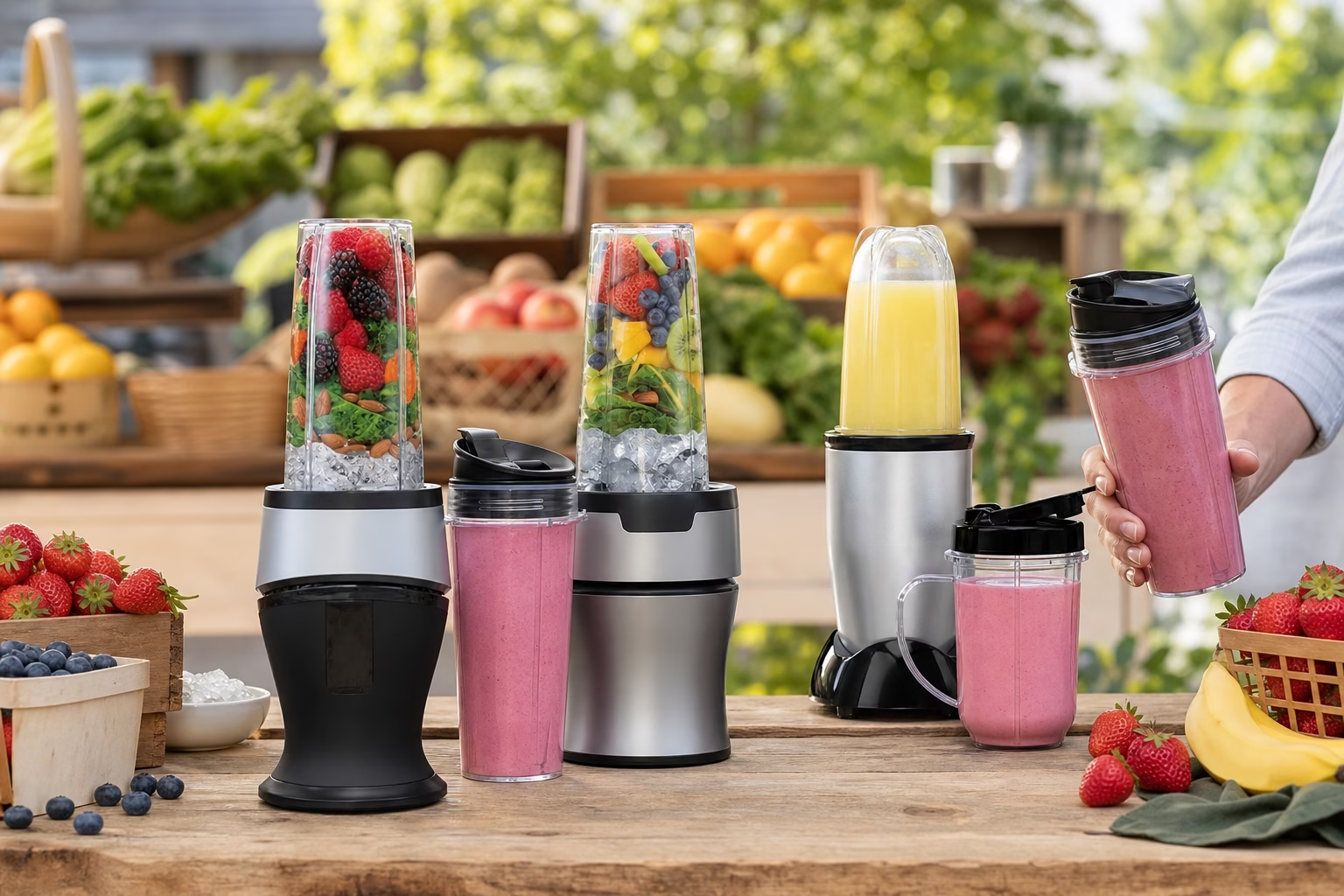
If you want one smoothie in the morning without hauling out a huge machine, a personal blender is the easy answer. But the best personal blender for smoothies depends on what goes into your cup: soft banana and berries, or hard frozen fruit and leafy greens.
Here is the short version, based on the manufacturer specs and what we looked at in buyer research:
- Ninja Fit: the simple, entry-level pick for everyday single-serve smoothies.
- Ninja Nutri-Plus: the stronger choice if you blend frozen fruit often.
- magic bullet: compact and handy, best for soft produce, sauces and small portions.
Specs vary by model and bundle, so always check the manual for your exact version.
Quick Comparison: Ninja Fit vs Nutri-Plus vs magic bullet
Here is how the three stack up on the numbers that matter most for smoothies.
| Blender | Power (listed) | Typical cups | Best for |
|---|---|---|---|
| Ninja Fit Compact Personal Blender (QB3001SS) | About 700 peak watts | Two 16 oz cups | Everyday fruit smoothies |
| Ninja Nutri-Plus Personal Blender (BN301) | About 900 peak watts | Three 20 oz cups | Frozen fruit, thicker blends |
| magic bullet Personal Blender (MBR-1101) | About 250 watts | Roughly 12-18 oz, depending on package | Soft fruit, sauces, dips |
One caution: advertised wattage is not the same as real performance under load. Blade design, batch size and how you layer ingredients all matter too.
Power and Frozen Fruit: What Personal Blenders Can Handle
Frozen fruit is where these machines separate. Lower-powered units can stall on large ice cubes, dense greens, nut butter or very thick mixtures. Claims that a blender “crushes ice” depend on the recipe, the batch size and the condition of the blade.
Whichever model you pick, these habits help:
- Add enough liquid. Blending with too little liquid usually fails and strains the motor.
- Cut large fruit into smaller pieces first.
- Put liquid and soft ingredients near the blade, then add frozen or harder items. Follow your manual.
- Add frozen ingredients gradually instead of dumping in a full cup of ice.
Ninja Fit: a sensible fit for banana, berries, yogurt and a handful of spinach with frozen fruit in moderation. Expect to pause and shake if you push it with very hard ice.
Ninja Nutri-Plus: the higher wattage and bigger cups make it the better match for daily frozen-fruit smoothies and thicker blends.
magic bullet: at about 250 watts it is best with fresh or partly thawed soft produce, plenty of liquid and small portions. Tough frozen mixtures are where it tends to struggle.
Cup Sizes and Real Single-Serve Capacity
Cup size on the box is not usable size. Leave room at the top so the contents can circulate, especially with frozen fruit and liquid.
- 16 oz (Ninja Fit): comfortable for one modest smoothie, roughly 12-14 oz of actual drink.
- 20 oz (Nutri-Plus): a fuller serving or a smoothie with extra greens and seeds.
- 12-18 oz (magic bullet): varies by package, so check which cups come in yours.
A simple one-serving template: 1 cup fruit, ½ to 1 cup vegetables, ¾ cup unsweetened milk or yogurt and 1 tablespoon seeds. Nutrition varies a lot with ingredients, so calculate your own recipe rather than trusting a generic number.
Planning to share a smoothie or make two at once? The extra cups in the Nutri-Plus and Ninja Fit sets let you prep a second serving without washing in between.
Cleanup, Noise and Daily Convenience
Cleanup is the real reason many people stop making smoothies, so it is worth thinking about before you buy.
- Rinse the cup and blade right after blending so nothing dries on.
- Check the blade gasket for trapped food.
- Some Ninja parts are top-rack dishwasher-safe, but confirm for your specific model.
- Don’t store the cup with the blade assembly attached unless the manual says it is fine; leaks and gasket wear are possible.
Noise: all bullet-style blenders are fairly loud because the motor and blade sit so close to the cup. How loud depends on the recipe, the countertop and the model. Setting the blender on a folded towel and keeping blend times short can take the edge off.
Time: a single smoothie usually takes 5-10 minutes in total, including 2-5 minutes of washing and cutting and about 30-90 seconds of blending. Those are practical estimates, not guarantees.
Personal Blenders to Consider
These are the three blenders compared above, plus a full-size option if you outgrow a bullet-style cup.

1. Ninja Fit Compact Personal Blender (QB3001SS)
A simple, compact entry point for everyday single-serve smoothies with two 16 oz cups.

2. Ninja Nutri-Plus Personal Blender (BN301)
Higher listed power and 20 oz cups suit frequent frozen-fruit smoothies.

3. magic bullet Personal Blender (MBR-1101)
A very small, low-budget option for soft produce, sauces and small portions.

4. Vitamix 5200 Professional-Grade Blender (64 oz)
The step-up choice for large batches, silky greens and hot soups, though it takes more space.
Tip: Check the manual for your exact model before blending frozen or thick mixtures.
Common Beginner Mistakes
Most “my blender is bad” complaints come down to technique. Check these first:
- Chunky smoothie: usually overfilling, too little liquid, oversized pieces or stopping too soon.
- No liquid: blending dry usually doesn’t work and can strain the motor.
- Hot soup in the travel cup: don’t, unless the cup is explicitly rated for hot liquids, because pressure can build.
- Clearing a jam: unplug first, and never reach into a running blender.
Blender vs Juicer: The Fiber Difference
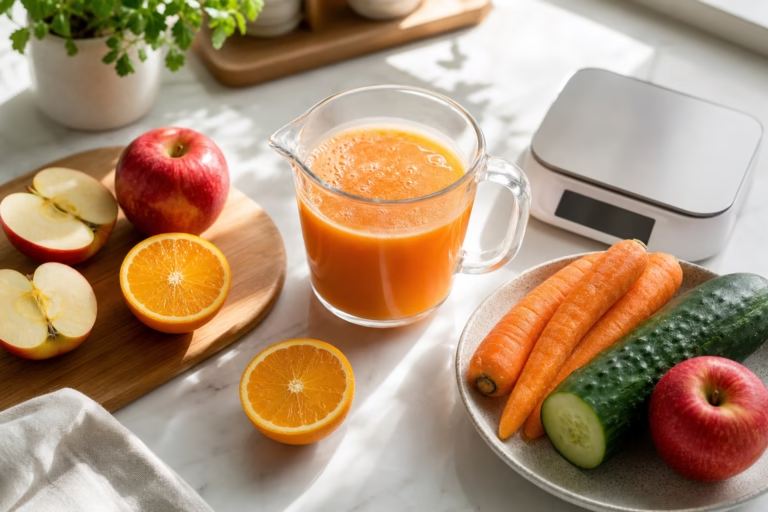
A blender keeps the edible pulp, so a smoothie generally retains more fiber than juice. Most juicing removes much of it. That doesn’t make juice bad, but juice is not inherently healthier than whole produce. It is just a different drink with a different texture.
If you want a deeper comparison, read our guide to juicing vs blending. If you are leaning toward juice, see the best juicers under $150.
People with diabetes, kidney disease or medically restricted diets should adapt ingredients and portions with a clinician or dietitian, whether they blend or juice.
When to Step Up to a Vitamix
Needing frozen fruit is not, by itself, a reason to buy a full-size blender. Consider stepping up when you:
- Blend large batches often or feed a family.
- Want consistently silky greens.
- Make hot soups or tough frozen mixtures.
- Expect heavy, long-term daily use.
Our Vitamix 5200 review covers that next tier in detail. The trade-offs are size, counter space and a bigger cup to wash for a single serving.
Who Should Buy Which (and Who Shouldn’t)
- Ninja Fit: good for beginners and small kitchens. Skip it if you blend lots of ice or want cups larger than 16 oz.
- Ninja Nutri-Plus: good for daily frozen-fruit smoothies and thicker blends. Skip it if you have very little cupboard space or want the lowest-effort option.
- magic bullet: good for light use, sauces and tight budgets. Skip it if you want frozen fruit and greens every day.
Food safety basics apply to all of them: wash produce under running water before cutting, keep cut produce and smoothies at 40°F or below, and drink smoothies right away or within 24 hours. Discard perishable food left out above 40°F for more than 2 hours.
Frequently Asked Questions
What is the best personal blender for smoothies?
For most beginners the Ninja Fit is the simplest pick, while the Ninja Nutri-Plus suits frequent frozen-fruit smoothies better. The magic bullet works for soft produce and small portions.
Can a personal blender handle frozen fruit?
Yes, with enough liquid, smaller pieces and frozen items added gradually. Lower-powered models like the magic bullet may stall on large ice or very thick mixtures.
Are personal blenders loud?
Generally yes, because the motor and blade sit close to the cup. Noise varies by recipe, surface and model.
Does a smoothie have more fiber than juice?
Blending keeps the edible pulp, so a smoothie generally retains more fiber than juice, where much of it is removed.
How long can I keep a smoothie?
Drink it right away or within 24 hours, refrigerated at 40°F or below. Discard it if perishable food sat above 40°F for over 2 hours.
For the best personal blender for smoothies, match the machine to what you actually blend: the Ninja Fit for simple everyday cups, the Nutri-Plus for frozen fruit, and the magic bullet for light, small jobs. If you later want juice instead, our guide to juicers for leafy greens is a good next read.
This article is for general information only and is not medical advice. If you are pregnant, take medication or have a health condition, talk to your doctor before changing your diet or doing a juice cleanse.