Best Juicer for Leafy Greens: Kale & Spinach Picks
This post contains affiliate links. As an Amazon Associate, we earn from qualifying purchases at no extra cost to you.
Finding the best juicer for leafy greens is tricky, because kale and spinach don’t behave like apples or oranges. They hold very little water, so a machine that does fine on carrots can leave you with a sad splash of juice and a pile of wet leaves.
In this guide we compare the main juicer types by what matters most for greens: yield, pulp dryness and how easy they are to clean. We also share our picks from masticating and cold press models through to centrifugals, plus tips to squeeze more out of every bunch.
Quick note: this is a comparison of equipment, not medical advice. If you have a health condition or take medication, check with your doctor before adding lots of green juice to your routine.
Quick Answer: Which Juicer Type Is Best for Kale and Spinach?
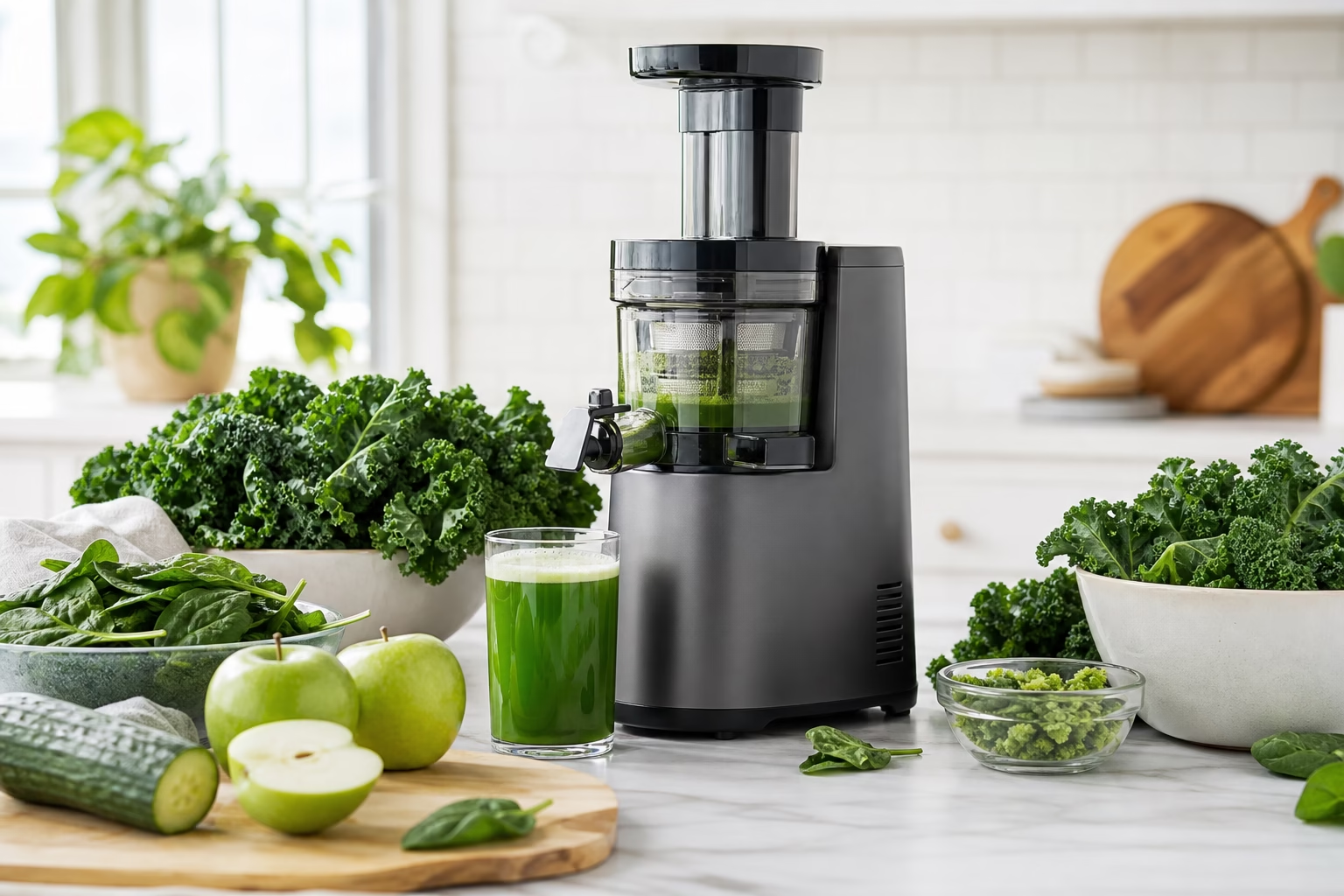
A masticating (slow) or cold press juicer is usually the best fit for leafy greens. These machines crush and press produce slowly, which generally pulls more juice from low-water greens and leaves drier pulp than a centrifugal juicer.
- Best overall for greens: a masticating juicer with a strong auger, like the AMZCHEF Slow Masticating Juicer.
- Best for easy cleanup: the Ninja NeverClog Cold Press Juicer, thanks to dishwasher-safe parts.
- Best quiet option: the NutriBullet Slow Juicer.
- Best for speed and hard produce: a centrifugal like the Breville Juice Fountain Compact, used with greens tucked between firmer produce.
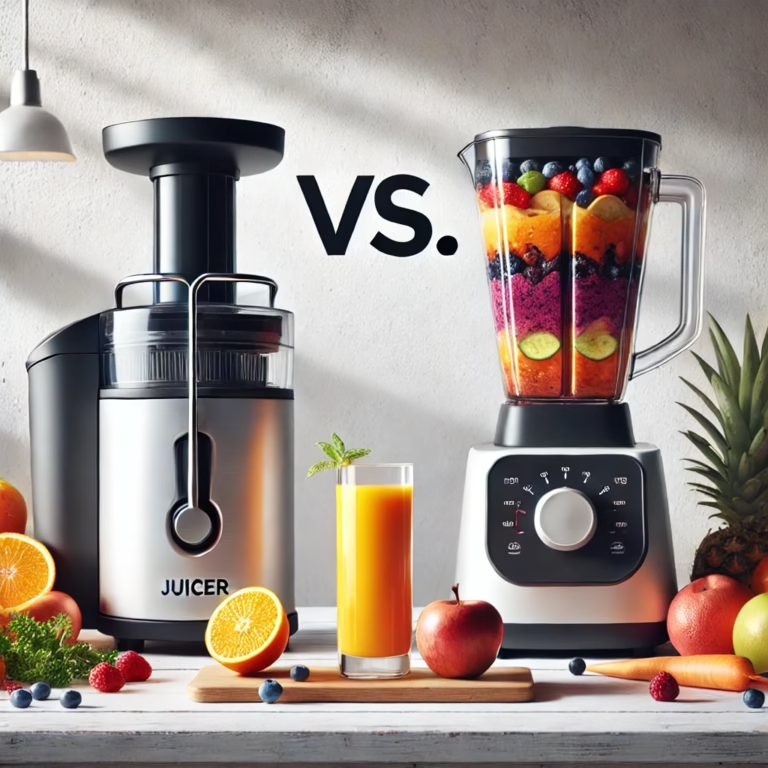
Masticating vs Cold Press vs Centrifugal: What’s the Difference?
People often search “cold press juicer vs masticating” and wonder if they’re different. In everyday shopping the terms overlap a lot: both use a slow-turning auger to crush and squeeze produce rather than a fast spinning blade. Brands tend to use “cold press” as a marketing label for slow juicers.
Masticating and cold press juicers
- Pros: generally better yield on leafy greens, drier pulp, quieter, and good with herbs and wheatgrass.
- Cons: slower, smaller feed chutes mean more chopping, and more parts to clean.
Centrifugal juicers
- Pros: fast, big feed chutes, usually more budget-friendly, and often quicker to clean.
- Cons: usually lower yield on greens, wetter pulp, and louder.
Which type is the “healthiest”? Honestly, the machine matters less than what you put in it and how fresh you drink it. Slow juicers may extract more from greens, but no juicer replaces eating whole vegetables with their fiber. We dig into that in our guide to juicing vs blending.
What to Expect: Leafy Green Yield Is Naturally Low
Before you blame your machine, know that kale and spinach are low-yield produce. One guide estimates roughly 35% yield for spinach and 30% for kale, so a big armful of leaves can turn into just a few ounces of juice.
In testing-focused guides, masticating juicers are often reported at around 140-145 ml from 200 g of baby spinach, while budget models land closer to 120-130 ml. Centrifugal machines are usually lower on greens.
That’s why most green juice recipes pair leaves with juicy partners like cucumber, celery or apple. The leaves add color and nutrients, and the watery produce provides the volume.
How We Judge Juicers for Greens
We focus on three practical things when comparing machines for leafy greens:
- Yield: how much juice a machine can pull from low-water leaves.
- Pulp dryness: wet, soggy pulp usually means leftover juice. Dry, crumbly pulp is a good sign.
- Cleaning: fibrous greens can wrap around augers and clog screens, so fewer parts and dishwasher-safe pieces matter.
Our picks below come from product features and the general findings in juicer guides, not from invented lab numbers.
Our Picks: Best Juicers for Kale and Spinach
AMZCHEF Slow Masticating Juicer: best for greens, herbs and wheatgrass
With a 7-segment auger and a 3-year warranty, this slow juicer is built for the kind of fibrous, low-water produce that frustrates fast machines. It’s a strong pick if kale, herbs or wheatgrass are a regular part of your juice routine.
Ninja NeverClog Cold Press Juicer: best for easy cleanup
If cleaning is what stops you from juicing, the dishwasher-safe parts here are a big plus. It’s a good fit for cleanses and leafy greens, and a smart choice for anyone planning a longer routine like our 7-day juice cleanse plan.
NutriBullet Slow Juicer: best quiet pick
A slow juicer from a well-known brand, with good yield on both fruit and greens. It’s a nice choice for early mornings when you don’t want a loud motor.
Breville Juice Fountain Compact: best centrifugal for quick juicing
Centrifugals are less efficient on leaves, but this compact model is fast and great with apples, carrots and beets. If you juice greens occasionally, sandwich them between hard produce to help them through.
Hamilton Beach Big Mouth Juicer: best on a tight budget
A budget centrifugal with a big feed chute that suits beginners. Expect lower yield on greens, so plan to use more leaves per glass. More affordable ideas are in our roundup of the best juicers under $150.
Gear That Makes Green Juicing Easier
These are the picks we’d start with for kale and spinach, plus a few helpers for storage.
1. AMZCHEF Slow Masticating Juicer
A 7-segment auger handles leafy greens, wheatgrass and herbs well.
2. Ninja NeverClog Cold Press Juicer
Dishwasher-safe parts make cleanup after fibrous greens simple.
3. NutriBullet Slow Juicer
Quiet slow juicer with good yield on fruit and greens.
4. Breville Juice Fountain Compact
Fast centrifugal option for quick juicing when greens are paired with hard produce.
5. Glass juice bottles (16 oz, 6-pack)
Wide-mouth bottles keep fresh juice chilled in the fridge.
Tip: Rinse your juicer right after you finish, before the fibrous pulp dries on the screen.
Quick Comparison Table
| Juicer | Type | Greens performance | Best for |
|---|---|---|---|
| AMZCHEF Slow Masticating | Masticating | Strong with leaves, herbs, wheatgrass | Frequent green juicers |
| Ninja NeverClog | Cold press | Good, easy cleanup | Cleanses, busy cooks |
| NutriBullet Slow Juicer | Masticating | Good yield, quiet | Everyday use |
| Breville Juice Fountain Compact | Centrifugal | Fair, best mixed with hard produce | Fast weekday juice |
| Hamilton Beach Big Mouth | Centrifugal | Lower on greens | Budget beginners |
How to Get More Juice From Kale and Spinach
Technique can matter as much as the machine. Try these habits:
- Pack leaves tightly. Roll or bundle greens into a compact wad instead of feeding loose handfuls.
- Sandwich them. Feed leaves between pieces of apple, cucumber or carrot so the firmer produce pushes them through.
- Go slowly. Let a slow juicer work at its own pace and don’t force the plunger.
- Re-run the pulp. If pulp still looks wet, you can feed it through once more.
- Don’t juice greens alone. Pairing them with watery produce improves flow and volume.
For a simple recipe to practice on, try our spinach green apple juice.
Cleaning Juicers After Leafy Greens
Fibrous pulp builds up fast, so rinse right after juicing before it dries onto the screen.
- Disassemble and rinse parts under running water straight away.
- Use the cleaning brush that comes with your machine on the strainer.
- Use dishwasher-safe parts where the manufacturer allows it.
- Let everything air dry fully before reassembling.
If fast cleanup matters more to you than maximum extraction, a simpler centrifugal can be a reasonable trade-off.
Storing Green Juice and Staying Safe
Fresh juice isn’t shelf-stable. Refrigerate it right away and plan to drink it within 24-48 hours, with better quality sooner. Wide-mouth glass bottles filled to the top make storage easy.
- People with a history of kidney stones should be cautious with frequent spinach-heavy juice, since spinach is high in oxalates.
- People with thyroid conditions may want to avoid very high daily intakes of raw cruciferous greens like kale.
- Juicing removes most fiber, so it isn’t nutritionally identical to eating whole greens.
If any of this applies to you, or you take medication such as blood thinners, talk to your doctor first. Looking for ideas to use your new machine? Browse our juice cleanse recipes.
Frequently Asked Questions
What is the best juicer for leafy greens?
A masticating or cold press juicer is usually the best choice for kale and spinach, since it generally extracts more juice and leaves drier pulp than a centrifugal model.
Which type of juicer is the healthiest?
No juicer type is clearly healthier, since nutrition depends mostly on your ingredients and freshness. Slow juicers may extract more from greens, but juice still lacks the fiber of whole vegetables.
Why is my yield from kale and spinach so low?
Leafy greens are low-liquid produce, with estimates around 35% yield for spinach and 30% for kale. Pairing them with cucumber, celery or apple boosts volume.
Why is my pulp wet?
Wet pulp usually means the machine isn’t extracting efficiently from greens, or the leaves were fed in too loosely. Try packing them tightly and feeding them slowly.
Can a centrifugal juicer handle spinach and kale?
Yes, but yield is usually lower. Sandwiching leaves between firmer produce like apple or carrot helps.
How long does fresh green juice last?
Keep it refrigerated and drink it within 24-48 hours, ideally sooner for the best quality.
For kale and spinach, a slow masticating or cold press juicer is usually the smart investment, while a centrifugal can still work if you value speed and pair greens with firmer produce. Pick the machine that fits how often you’ll actually use it and how much cleanup you’ll tolerate.
Ready to put it to work? Start with the spinach green apple juice and enjoy it fresh.
This article is for general information only and is not medical advice. If you are pregnant, take medication or have a health condition, talk to your doctor before changing your diet or doing a juice cleanse.