Juicing Meal Prep: Plan a Week of Juices and Real Meals
This post contains affiliate links. As an Amazon Associate, we earn from qualifying purchases at no extra cost to you.
Juicing meal prep is about making fresh juice easier to fit into a busy week, not about replacing your meals. The idea is simple: shop once, prep your produce in batches, and juice in short rounds so every glass is fresh and every meal is still real food.
Below you will find a weekly routine, storage and food safety basics, a sample week that pairs juices with balanced meals, and a one-trip shopping list. If you want a stricter structure, our 7-Day Juice Cleanse Plan is a separate option.
The Ground Rules for Juicing Meal Prep
Before you plan anything, a few principles keep this routine sensible and safe.
- Juice is a supplement, not a meal. Juicing removes much of the fiber found in whole produce, so a small glass works best alongside food.
- Pair juice with protein, whole grains and healthy fat. That is what makes a meal filling.
- Fresh is not automatically safer. Fresh juice can support fast bacterial growth, so cleanliness and cold storage matter.
- Keep fruit modest. A mostly-vegetable juice with a little apple or citrus keeps sugar lower. See juicing vs blending if you want to keep the fiber.
Caution: pregnant people, young children, older adults and people with weakened immune systems should avoid unpasteurized juice. If you have diabetes or kidney issues, talk to your doctor or a dietitian about portions and ingredients.
Your Weekly Juicing Meal Prep Routine
Here is a simple rhythm that splits the work into two short sessions instead of one marathon.
Step 1: Shop once
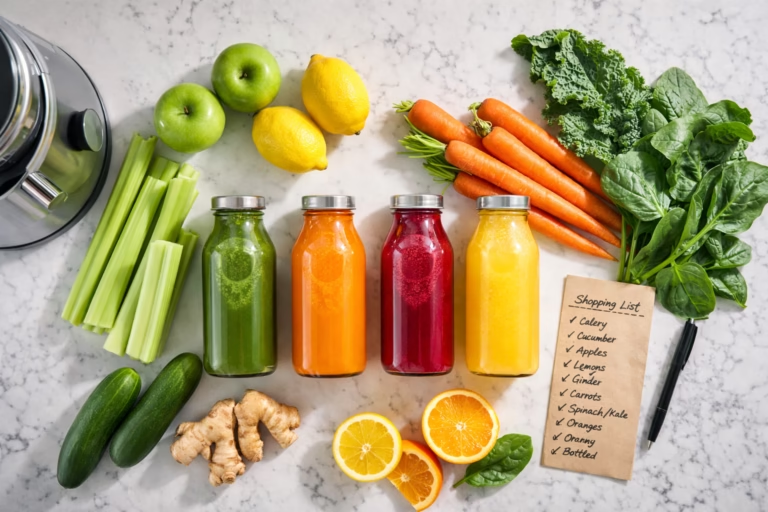
Use the shopping list below and buy for the whole week. Choose sturdy produce (carrots, beets, celery, apples) that holds up for days, and buy delicate greens in smaller amounts.
Step 2: Wash and dry everything
Wash produce even if you plan to peel it. Scrub roots with a brush, and dry leafy greens well so they last longer in the fridge.
Step 3: Portion into labeled bags
- Pre-cut carrots, beets and cucumbers into juicer-size pieces.
- Bag one day of ingredients per portion, labeled by day.
- Keep ginger and lemons whole until needed.
Step 4: Juice in short rounds
Juice only one to two days at a time. Save leafy greens and cut fruit for nearer to the time you drink them. Yields vary a lot by juicer and produce, so make one test batch before you plan seven servings.
Step 5: Clean up right away
Rinse the juicer parts as soon as you finish. Cleanup is the top reason people stop juicing, so make it part of the routine.
How to Store Juice Safely in Jars
The safest habit is to drink juice soon after making it. If you prepare ahead, handle it carefully.
- Pour juice into clean glass jars or bottles, filled nearly to the top, and seal tightly.
- Refrigerate right away and keep it cold. Never leave it at room temperature.
- Plan to drink it the same day. How long juice stays safe at home is uncertain, because it depends on sanitation, acidity and temperature.
- Wash jars, the juicer and cutting boards thoroughly between batches.
Be careful with bottled “cold-pressed” juice from stores too: that label does not automatically mean pasteurized. Check the label, especially if you are in a higher-risk group.
Leftover juice or ginger and lemon portions can also be frozen in ice cube trays for later. For ideas on using the whole fruit, our juice yield calculator helps you buy the right amount.
A Sample Week of Juices and Real Meals
This is a template, not a rule. Each day has one small juice (about 8 to 12 oz) plus a normal, balanced meal.
| Day | Juice | Real meal |
|---|---|---|
| Monday | Green juice (cucumber, celery, spinach, green apple) | Eggs and whole-grain toast |
| Tuesday | Carrot-ginger juice | Lentil salad |
| Wednesday | Beet-apple juice | Salmon, potatoes and greens |
| Thursday | Cucumber-celery juice | Bean-and-grain bowl |
| Friday | Citrus-carrot juice | Chicken wrap |
| Saturday | Tomato-vegetable juice | Tofu stir-fry |
| Sunday | Juice only if you like | A normal balanced breakfast |
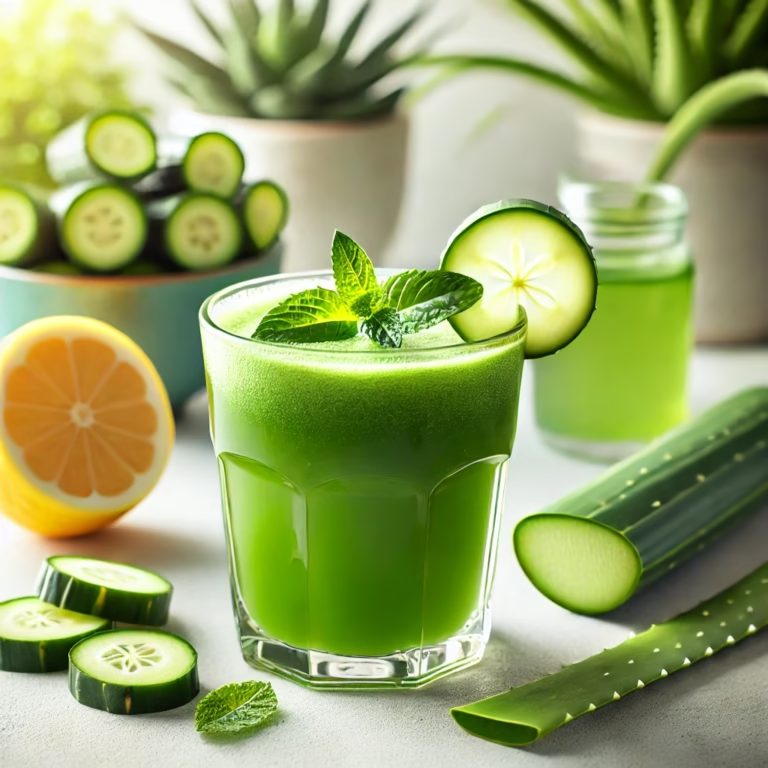
Want a green juice to start Monday? Try our Spinach Green Apple juice. Many people find a light juice with a protein-rich meal easier to stick with than juice alone.
One-Trip Shopping List
Produce
- Leafy greens (spinach or kale)
- Cucumbers and celery
- Carrots and beets
- Tomatoes
- Citrus (oranges, lemons)
- Apples or berries
- Fresh ginger
Meals
- Eggs
- Beans and lentils
- Tofu or fish, and chicken if you eat it
- Whole grains and whole-grain bread or wraps
- Potatoes
- Nuts
Tip: mostly vegetables, with apples or citrus for sweetness, keeps juices balanced and the grocery bill predictable.
Helpful Tools for Juice Meal Prep
A few simple tools cover washing, storing and cleanup for a week of juicing.

1. Glass jars for the fridge
Wide, easy-to-clean glass jars hold one day of juice and seal tightly. The trade-off: glass is breakable and heavy in a bag.

2. Vegetable brush
Scrubs carrots and beets before juicing. It is inexpensive and does one job only.
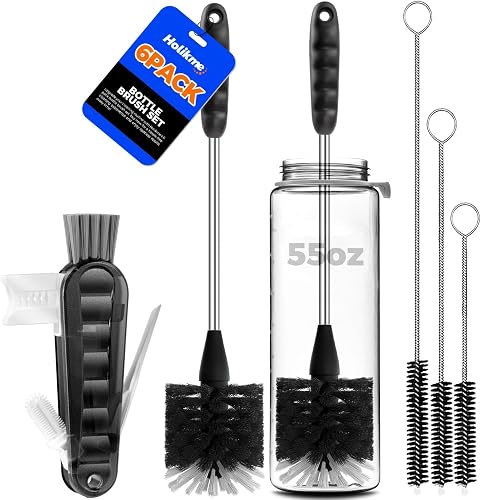
3. Bottle brush set
Reaches into narrow bottles and jars so cleanup does not become the reason you quit.

4. Salad spinner
Washes and dries greens so they last longer. It takes up cabinet space, so skip it if you are short on room.
Tip: Start with jars and a good brush; you can use the juicer you already have.
Common Meal Prep Mistakes to Avoid
- Making juice the whole diet. Keep real meals at the center.
- Using mostly fruit. It adds sugar fast.
- Storing juice for several days. Juice in short rounds instead.
- Skipping the wash. Always wash produce and tools.
- Overfilling the juicer. Feed it slowly for better results.
- Tossing the pulp. Stir it into soups, muffins, sauces or smoothies.
Gear That Makes the Routine Easier
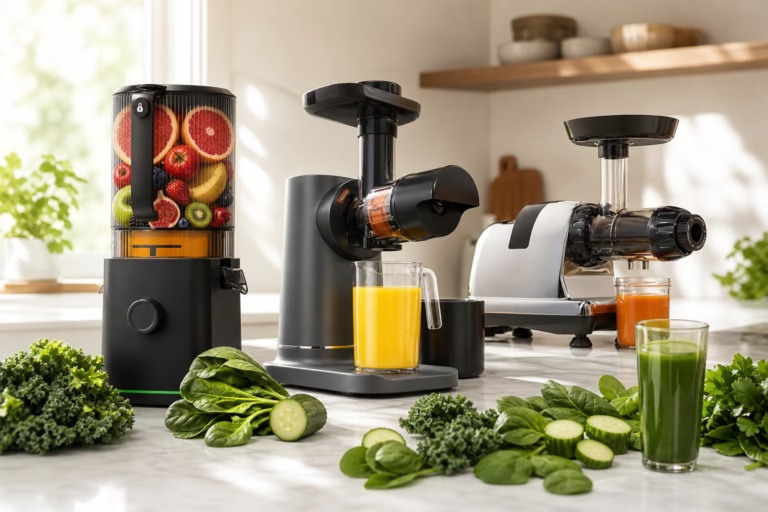
You do not need much. A juicer you can clean quickly matters more than a fancy one. If you are choosing, see our guide to juicers under $150. The tools below simply make prepping and storing simpler.
Frequently Asked Questions
How far ahead can I make juice?
The safest approach is to drink it soon after juicing. If you prepare ahead, refrigerate it right away in a clean, sealed jar and drink it the same day, since longer safe storage is uncertain.
Can I prep the produce instead of the juice?
Yes, and it saves the most time. Wash, cut and bag sturdy vegetables ahead, then juice one to two days at a time.
Can juice replace meals in this plan?
No. Juice works best as a small supplement alongside meals with protein, whole grains and healthy fat.
Who should be careful with fresh juice?
Pregnant people, young children, older adults and those with weakened immune systems should avoid unpasteurized juice. People with diabetes or kidney issues should check with their doctor or dietitian.
Good juicing meal prep is mostly about small habits: one shopping trip, a wash-and-portion session, and short juicing rounds. Start with a test batch, keep your meals balanced, and adjust the sample week to what you enjoy. For more ideas, browse our juice recipes and build your own rotation.
This article is for general information only and is not medical advice. If you are pregnant, take medication or have a health condition, talk to your doctor before changing your diet or doing a juice cleanse.