5 Juice Recipes for Energy You Can Make in 10 Minutes
This post contains affiliate links. As an Amazon Associate, we earn from qualifying purchases at no extra cost to you.
Looking for juice recipes for energy that fit into a busy morning? These five blends take 5 to 10 minutes each, use everyday produce, and work in a centrifugal or slow juicer.
A quick note on what “energy” means here: juice gives you natural carbohydrates, fluids and vitamins, but it is not caffeine and not a replacement for sleep or a real meal. Think of these as bright, refreshing pick-me-ups.
To answer a common question, no single fruit juice is proven to give the most energy. Juices based on fruit and roots like carrots, apples, pineapple and beets simply supply more natural sugar, which your body uses as quick fuel.
Quick Prep Rules for Juice in 10 Minutes
Speed comes from a little setup. A few habits make every recipe below faster.
- Wash and chop first. Scrub roots, rinse greens, and cut produce to fit your feed chute.
- Chill ingredients. Cold produce gives a cold juice with no watery ice.
- Alternate soft and hard. Feed spinach between apple or carrot pieces so the machine extracts more.
- Don’t overfill the chute. It slows things down and lowers yield.
Yields and calories below are practical estimates. They vary with produce size and your juicer.
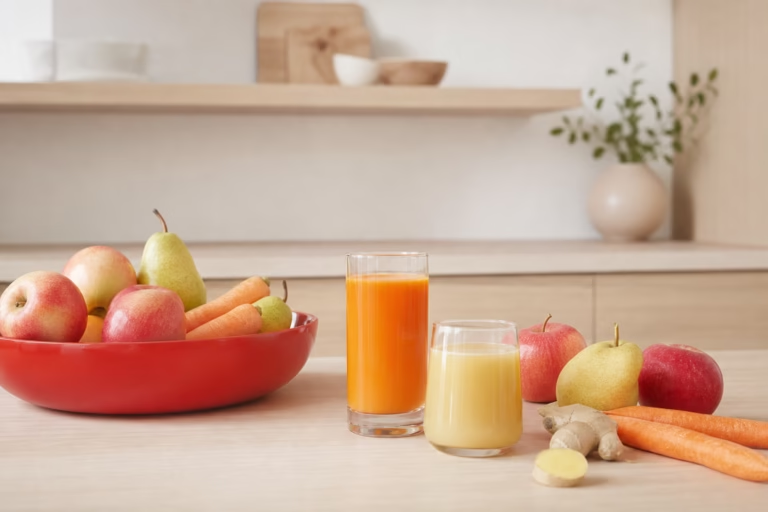
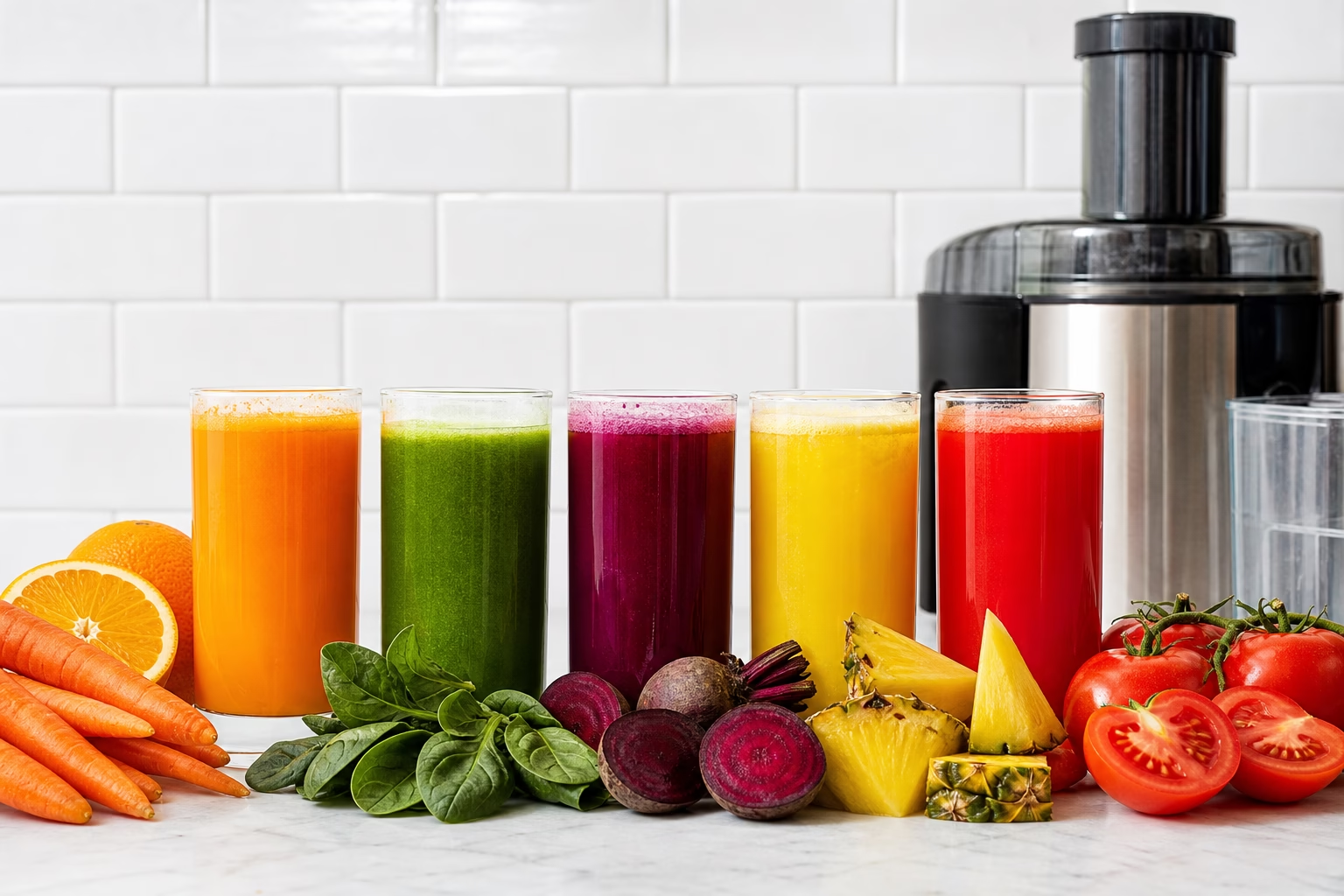
Recipe 1: Citrus-Carrot-Ginger Energy Juice
Sweet carrot, bright orange and a little ginger kick. It is the fastest of the five.
- 3 carrots
- 1 orange, peeled and seeded
- 1/2-inch piece of ginger
Method: Juice the ginger first, then the carrots and orange. Stir and serve. Makes about 10-12 oz in 5-7 minutes, roughly 100-140 kcal.
Best with: a centrifugal juicer for speed. Swap: use a tangerine instead of the orange, or add a squeeze of lemon.
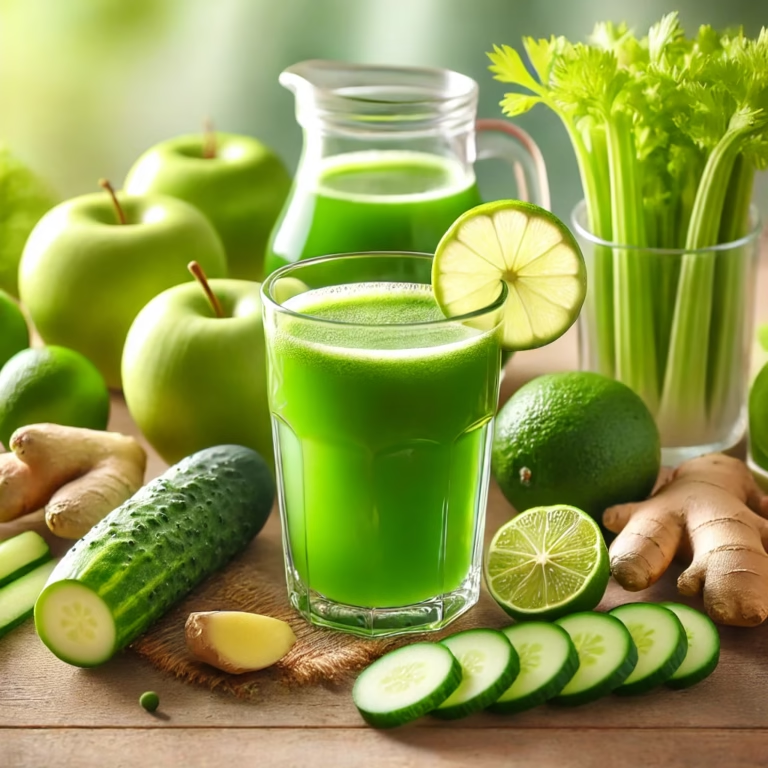
Recipe 2: Apple-Spinach-Lemon Green Juice
A light green juice that tastes mostly of crisp apple. If you like this one, our spinach green apple juice is a close cousin.
- 1 apple, cut into chunks
- 2 packed cups spinach
- 1/2 lemon, peeled
Method: Feed spinach between apple pieces, then add the lemon. Makes about 8-10 oz in 5-8 minutes, roughly 80-120 kcal.
Swap: use kale for a stronger flavor, or a green pear for extra sweetness.
Recipe 3: Beet-Apple-Lime Juice
Earthy, sweet and bright pink. Beets contain dietary nitrate, but any “energy” feeling is not the same as caffeine or calories.
- 1 small beet, scrubbed and cut
- 1 apple, cut into chunks
- 1/2 lime, peeled
Method: Juice the beet and apple, then finish with the lime. Makes about 8-10 oz in 7-10 minutes, roughly 100-150 kcal.
- Beet juice stains, so wear gloves and wipe up drips quickly.
- Start with a small glass if you are new to beets.
- Beets can temporarily turn urine or stool pink or red. Check with a doctor if bleeding is possible or the change is unexplained.
Recipe 4: Pineapple-Cucumber-Mint Juice
The most refreshing option, tropical and cooling. It works well in both centrifugal and slow juicers.
- 1 cup pineapple chunks
- 1/2 cucumber
- 1 small handful mint
Method: Juice the mint between pineapple and cucumber pieces. Strain only if you want it smoother. Makes about 10-12 oz in 5-7 minutes, roughly 80-120 kcal.
Swap: use basil instead of mint, or add a squeeze of lime.
Recipe 5: Tomato-Celery-Lemon Savory Juice
A savory option for anyone who does not want a sweet drink. Chill the ingredients beforehand for a cold juice without ice.
- 2 medium tomatoes
- 2 celery stalks
- 1/2 lemon, peeled
Method: Juice the celery and tomatoes, then the lemon. Add a pinch of black pepper if you like. Makes about 10-12 oz in 5-8 minutes, roughly 60-90 kcal, with potassium and lycopene.
Centrifugal or Slow Juicer: Which Works Best?
Both make these recipes well. A centrifugal juicer is faster and its wide chute means less chopping, which suits a 10-minute morning. A slow (cold press) juicer is quieter and tends to handle leafy greens better, but it is usually slower.
- Choose centrifugal if you want speed and a lower price.
- Choose slow if you juice lots of greens and can spare a few extra minutes.
A slow juicer may reduce foam and oxidation, but it does not make juice last reliably longer. Refrigeration and prompt drinking still matter. Budget shopper? See our guide to the best juicers under $150, or read juicing vs blending if you prefer to keep the fiber.
Helpful Gear for Quick Energy Juices
You don’t need much, but a few tools make the 10-minute routine smoother.

1. Budget centrifugal juicer
Fast and has a big chute, which suits quick weekday juices. Trade-off: louder and less suited to leafy greens.

2. Slow juicer option
Handles greens well and has dishwasher-safe parts. Trade-off: slower than centrifugal.


Tip: If you only buy one thing, make it a juicer with a wide feed chute to cut chopping time.
On-the-Go Storage and Safety Tips
Fresh juice tastes best right away. If you need to take it with you, follow these steps.
- Pour into a clean, airtight glass bottle or jar.
- Fill it nearly to the top to leave little air.
- Refrigerate at 40°F (4°C) or below, and drink within 24-48 hours. This is a conservative quality guideline, not a guaranteed shelf life.
- Don’t leave raw juice at room temperature. Use an insulated bag with an ice pack on the go.
Caution: The FDA notes that untreated juice may carry harmful bacteria and is especially risky for young children, older adults, pregnant people and anyone with a weakened immune system. These groups should choose pasteurized juice.
Common Mistakes and What Juice Can’t Do
- Overfilling the feed chute.
- Skipping the produce wash.
- Leaving citrus peel or hard pits in.
- Storing juice in a half-empty bottle.
Juice is usually not a complete breakfast, since juicing removes most fiber and offers little protein or fat. Pair it with yogurt, eggs or nuts. Those with diabetes, kidney issues or on medication should talk to their doctor before adding juice regularly. For longer plans, see our juice cleanse recipes.
Citrus-Carrot-Ginger Energy Juice
A sweet, bright juice with carrot, orange and a little ginger kick.
Equipment
- Juicer (fast or slow, compare types)
Ingredients
- 3 carrots (scrubbed)
- 1 orange (peeled and seeded)
- ½ inch ginger
Instructions
- Juice the ginger first.
- Juice the carrots and orange.
- Stir and serve.
A centrifugal juicer is fastest for this one.
Estimates only; amounts and times vary. Not medical advice. Juice is not a replacement for whole fruit and vegetables.
Apple-Spinach-Lemon Green Juice
A light green juice that tastes mostly of crisp apple.
Equipment
- Juicer (fast or slow, compare types)
Ingredients
- 1 apple (cut into chunks)
- 2 cups spinach (packed)
- ½ lemon (peeled)
Instructions
- Feed the spinach between apple pieces.
- Juice the lemon last.
- Stir and serve.
Alternating soft and hard produce improves extraction.
Estimates only; amounts and times vary. Not medical advice. Juice is not a replacement for whole fruit and vegetables.
Beet-Apple-Lime Juice
An earthy, sweet and bright pink juice with a lime finish.
Equipment
- Juicer (fast or slow, compare types)
Ingredients
- 1 small beet (scrubbed and cut)
- 1 apple (cut into chunks)
- ½ lime (peeled)
Instructions
- Juice the beet and apple.
- Finish with the lime.
- Stir and serve.
Wear gloves, since beet juice stains.
Start with a small glass if you are new to beets.
Estimates only; amounts and times vary. Not medical advice. Juice is not a replacement for whole fruit and vegetables.
Pineapple-Cucumber-Mint Juice
A cooling, tropical juice with fresh mint.
Equipment
- Juicer (fast or slow, compare types)
- Fine mesh strainer or nut milk bag (for a smoother juice)
Ingredients
- 1 cup pineapple chunks
- ½ cucumber
- 1 small handful mint
Instructions
- Juice the mint between pineapple and cucumber pieces.
- Strain if you want a smoother drink.
- Serve cold.
Works in both centrifugal and slow juicers.
Estimates only; amounts and times vary. Not medical advice. Juice is not a replacement for whole fruit and vegetables.
Tomato-Celery-Lemon Savory Juice
A savory, fresh juice with tomato, celery and a lemon squeeze.
Equipment
- Juicer (fast or slow, compare types)
Ingredients
- 2 medium tomatoes (chilled)
- 2 celery stalks (chilled)
- ½ lemon (peeled)
Instructions
- Juice the celery and tomatoes.
- Add the lemon.
- Stir, add a pinch of black pepper if you like, and serve.
Chill the ingredients beforehand so you don’t need ice.
Estimates only; amounts and times vary. Not medical advice. Juice is not a replacement for whole fruit and vegetables.
Frequently Asked Questions
Which fruit juice gives more energy?
No single juice is proven best. Juices with natural carbohydrates, like apple, orange, pineapple and carrot, supply quick fuel, but they are not a substitute for sleep or a balanced meal.
What are some juices that provide energy?
Citrus-carrot-ginger, apple-spinach-lemon, beet-apple-lime, pineapple-cucumber-mint and tomato-celery-lemon are five easy options.
How long does homemade juice last?
For best quality, drink it right away. If stored in a full, airtight container at 40°F or below, use it within 24-48 hours.
Can I make these without a juicer?
You can blend the ingredients with a little water and strain through a fine mesh or nut milk bag, though the texture will differ.
With a little prep, a fresh juice is easy to fit into a busy morning. Start with the recipe that sounds best, keep it cold, and enjoy it alongside a balanced breakfast.
This article is for general information only and is not medical advice. If you are pregnant, take medication or have a health condition, talk to your doctor before changing your diet or doing a juice cleanse.