Juice Yield Calculator: How Much Fruit Do You Need?
Planning a batch of juice and not sure how much to buy? Pick your juice, tell the calculator how much you want to make and which type of juicer you have, and it tells you how many apples, oranges, carrots or cups of greens to put in your basket, with a list you can copy or print.
How much produce do you need?
Your shopping list
How many fruits and vegetables for one cup of juice?
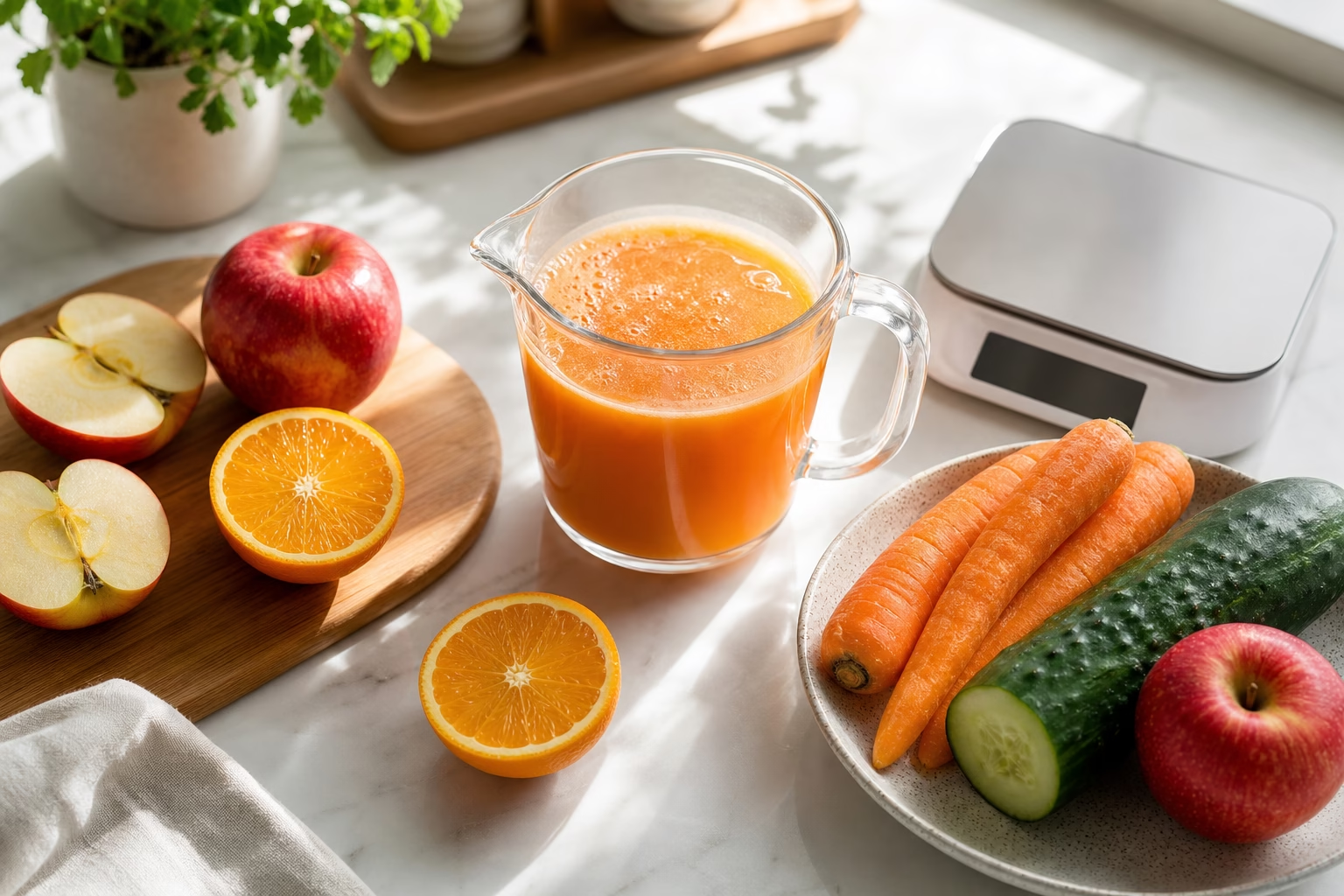
One cup is 8 fluid ounces (about 237 ml). This quick reference shows typical amounts of whole produce, rounded to the nearest quarter or half piece:
| Juice | Fast (centrifugal) juicer | Slow (masticating) juicer |
|---|---|---|
| Apple | 2½ medium apples | 2 medium apples |
| Orange | 3½ medium oranges | 3 medium oranges |
| Carrot | 7 medium carrots | 6 medium carrots |
| Cucumber | 1¼ medium cucumbers | 1¼ medium cucumber |
| Celery | 10½ stalks | 9 stalks |
| Beet | 5 medium beets | 4 medium beets |
| Pineapple | ½ peeled pineapples | ½ peeled pineapples |
| Watermelon | 2 cups of cubes | 2 cups of cubes |
| Grapes | 2½ cups | 2 cups |
| Lemon | 7½ lemons | 6 lemons |
| Spinach | 52½ packed cups | 21 packed cups |
| Kale | 79 chopped cups | 31 chopped cups |
Need a different amount? Use the calculator above: it also handles gallons, liters and mixed recipes.
How the calculator works
Every fruit and vegetable has a typical juice yield: the share of its weight that ends up in the glass. A cucumber or watermelon is mostly water and gives a lot; carrots and apples give about half their weight; leafy greens and berries give much less, especially in a fast juicer. We multiply your target volume by each ingredient's share of the recipe, divide by its yield and convert the result into pieces you can count at the store.
- Parts set the mix: 6 parts apple and 1 part lemon means six times as much apple juice as lemon juice.
- Fast vs. slow juicer changes the yield, most of all for leafy greens (fast machines leave more juice in the pulp).
- Estimates: numbers are typical values and are rounded, so treat them as a shopping guide, not a lab result.
Tips to get more juice from your produce
- Choose heavy, firm produce: heavy for its size usually means juicier.
- Roll citrus on the counter and bring it to room temperature before juicing.
- Alternate soft and hard ingredients, and push leafy greens through with a carrot or apple wedge.
- Run the pulp through a second time if it still feels wet (slow juicers especially).
- Drink or store fresh juice promptly: covered in the fridge, it is best within about 24 hours (up to 72 hours from a slow juicer, if airtight).
The type of machine matters for yield and for leafy greens in particular. If you are still choosing, our guides compare them honestly: best juicer for leafy greens, best juicers under $150 and juicing vs blending.
Frequently asked questions
How many apples do I need for one cup of apple juice?
With a fast juicer, about 2½ medium apples make one cup (8 fl oz / 237 ml); a slow juicer needs about 2. For a gallon plan on roughly 16 lb (7 kg) of apples.
How many oranges make a gallon of orange juice?
Around 53 medium oranges with a fast juicer and about 48 with a slow juicer. Orange yield varies a lot with variety and juiciness, so buy a few extra.
Why does the same fruit give different amounts of juice?
Variety, ripeness, how long the fruit was stored, how finely it is prepared and the type of juicer all change the result. Fresh, heavy-for-their-size fruit usually has more juice; old or soft fruit has less.
Which juicer gets more juice out of produce?
Slow (masticating and cold press) juicers generally extract more from the same produce, and they do much better with leafy greens like spinach and kale. Fast centrifugal juicers are quicker and work well with firm fruit and vegetables such as apples and carrots.
Do I need to peel the produce?
Wash everything. Peel citrus, pineapple, mango and kiwi if your juicer cannot handle the skins; apples, carrots, cucumbers and beets can usually be juiced unpeeled. The weights in the calculator are for the whole, unpeeled item unless noted.
What do I do with the leftover pulp?
Use it in muffins, veggie burgers, soups, broth or compost. Dry pulp from a slow juicer is easier to cook with than the wetter pulp from a fast machine.
4 Comments