Omega Cold Press Juicer Review: Is It Worth the Splurge?
This post contains affiliate links. As an Amazon Associate, we earn from qualifying purchases at no extra cost to you.
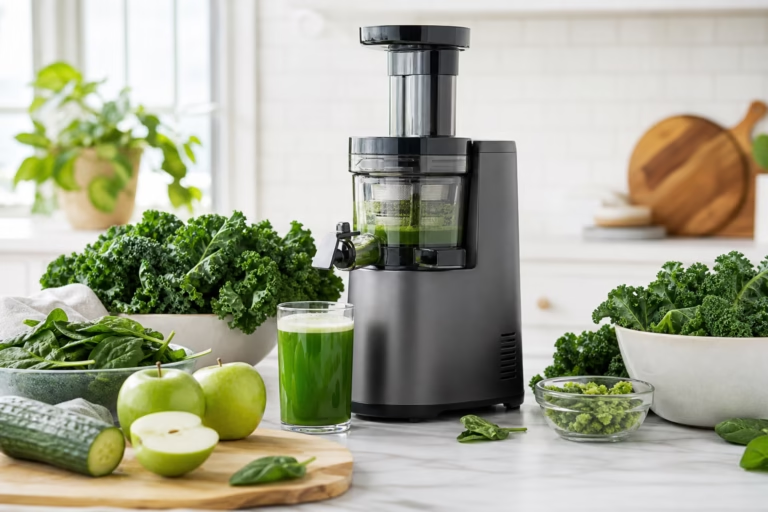
Welcome to our Omega cold press juicer review, a research-based look at one of the most talked-about premium slow juicers. We haven’t tied this to any hands-on testing claims. Instead, we’ve pulled together what’s known about how this style of machine works and who tends to get the most from it.
The short version: it’s a great fit for daily juicers who love greens, and a harder sell if you juice once in a while. Let’s walk through it.
Quick Verdict on the Omega Cold Press Juicer
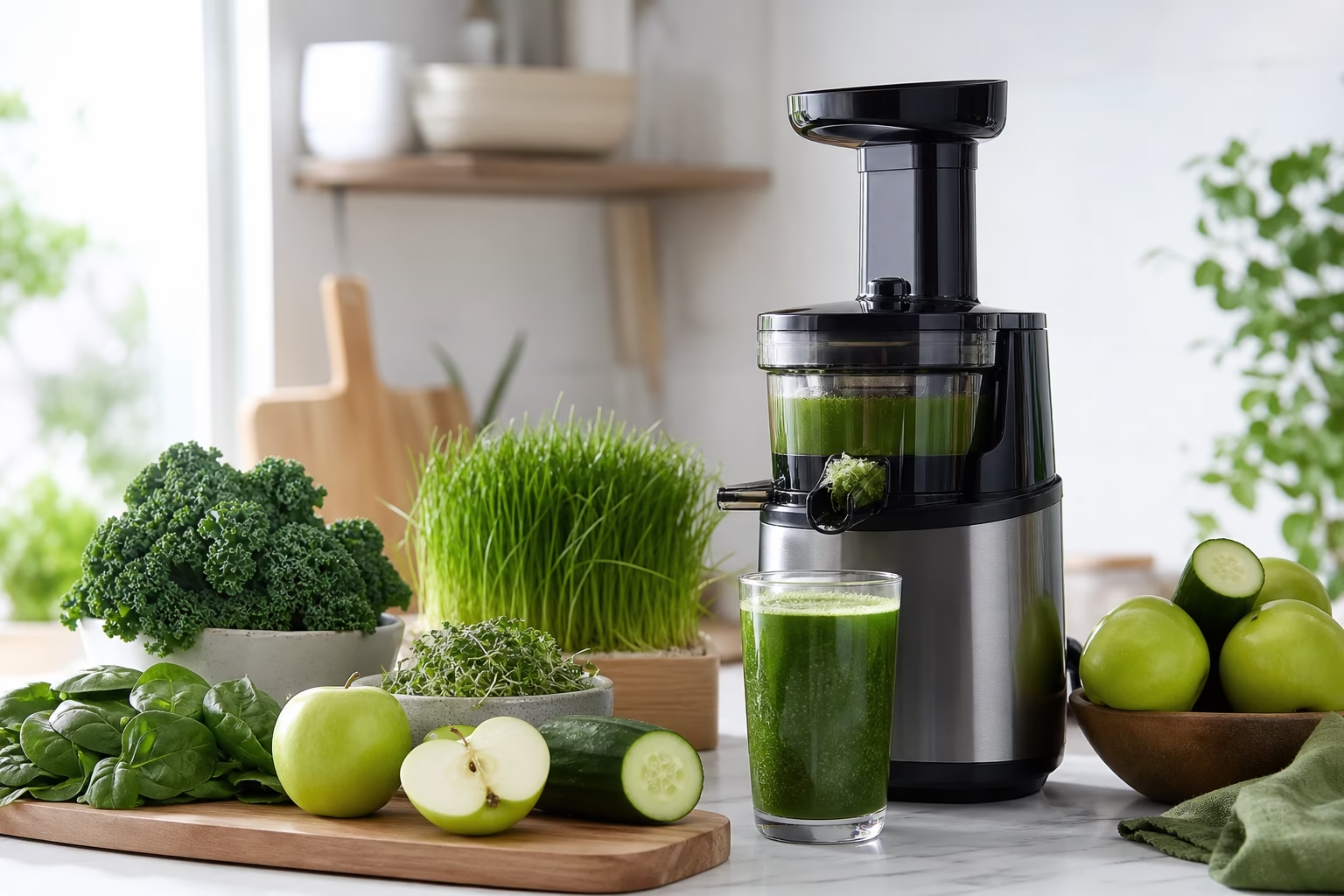
The Omega Cold Press Juicer is a premium slow masticating juicer that doubles as an all-in-one kitchen system. It’s best for frequent juicers who value quiet operation, leafy-green juice, and extra functions like nut butter and pasta.
- Buy it if: you juice most days, drink lots of greens or wheatgrass, and will actually use the extras.
- Skip it if: you want speed, a wide chute, minimal prep, or you only juice occasionally.
One honest note: a slow juicer is not automatically “healthier.” Juicing removes much of the fiber found in whole produce, no matter which machine you use. Our juicing vs blending guide explains the trade-off.
Omega Cold Press Juicer Key Specs and Features
Omega sells several slow-juicer designs, and details like motor speed, chute size, dimensions, included strainers and accessories vary by model. Always confirm the exact model on the current product page before you buy. Here’s what we can say about the style in general:
| Feature | What to expect |
|---|---|
| Type | Slow masticating (cold press) juicer |
| Best at | Leafy greens, wheatgrass, herbs |
| Extras | Nut butter, baby food, frozen desserts, pasta (model-dependent) |
| Feeding | Slower; produce usually cut smaller |
| Foaming | Typically relatively low |
| Noise | Typically quieter than high-speed centrifugal juicers |
Some extras need different screens or nozzles, and they aren’t necessarily in the box. Check what’s included before assuming you can make pasta on day one.
Yield on Leafy Greens and Wheatgrass
Slow juicers generally handle leafy greens and wheatgrass better than many centrifugal machines, because the auger presses and squeezes instead of spinning at high speed. That’s the main reason greens lovers gravitate toward this style.
We won’t quote a yield percentage, because no reliable universal number exists. Yield depends on how fresh the produce is, how small you cut it, and the screen design.
To get the most from your greens:
- Trim tough stems and cut produce into smaller pieces.
- Alternate fibrous greens with watery produce like cucumber or apple.
- Feed slowly instead of forcing hard produce down.
- Don’t overload the chute.
Want a green recipe to start with? Try our Spinach Green Apple Mental Clarity Juice. For more machine options, see our best juicer for leafy greens picks.
Nut Butter, Pasta and Other Extras
This is where the Omega stands apart from a basic juicer. Many Omega models support attachments for:
- Nut butter: grind nuts into spreads.
- Baby food: process soft cooked fruit and veg.
- Frozen desserts: turn frozen fruit into soft-serve style treats.
- Extruded pasta: with the right nozzle.
These features are model-dependent, so confirm them before buying. And be realistic: if you’ll never make pasta, don’t pay for the idea of it. The extras make sense mainly if you’ll use them regularly.
Omega Pros and Cons
Pros
- Typically quiet compared with high-speed centrifugal juicers.
- Strong fit for greens and wheatgrass.
- Multifunction capability on selected models.
- Juice can be produced with relatively little foaming.
Cons
- Slower feeding and more prep cutting.
- Narrow chutes on some models.
- More parts to wash.
- Expensive if used only occasionally.
- Accessory availability differs by model.
Gear That Pairs Well With a Slow Juicer
A few small tools make slow juicing smoother, cleaner and easier to keep up.

1. Omega Cold Press Juicer
The premium all-in-one slow juicer with nut butter and pasta options.
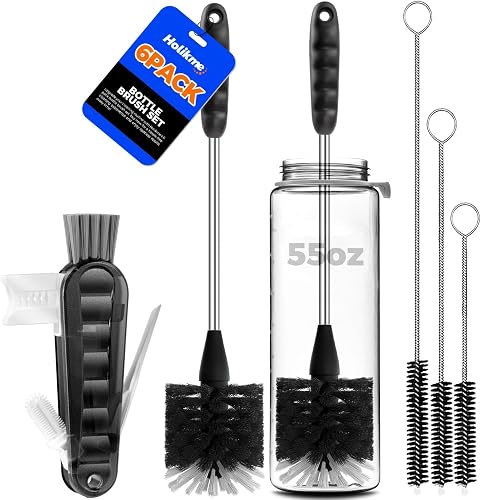
2. Bottle brush set
Cleans bottles and narrow jars so cleanup doesn’t derail your routine.


4. OXO Good Grips Vegetable Brush
Scrub roots and produce before they go into the chute.
Tip: Brush the screen right after juicing, before the pulp dries.
Who the Omega Cold Press Juicer Suits
We think it fits best if you:
- Juice daily or nearly every day.
- Prioritize greens, herbs and wheatgrass.
- Want a quieter machine for early mornings.
- Will genuinely use the nut butter or pasta functions.
If you’re planning a multi-day reset, a slow juicer pairs nicely with our 7-Day Juice Cleanse Plan and juice cleanse recipes.
Who Should Choose a Different Juicer
Look elsewhere if speed, minimal prep, a wide chute, very easy cleanup, or occasional use matters more than versatility. Some alternatives:
- Tight budget or beginner: the Hamilton Beach Big Mouth Juicer or Breville Juice Fountain Compact are fast and simple. See our best juicers under $150.
- Slow juicer for less: the NutriBullet Slow Juicer, AMZCHEF Slow Masticating Juicer or Ninja NeverClog Cold Press Juicer.
- Maximum yield, serious juicers: the Tribest Greenstar GSE-5000 Elite Twin Gear Juicer.
- Whole-fruit smoothies with fiber: a blender like the Vitamix 5200 may suit you better.
Cleaning the Omega Cold Press Juicer
Cleanup is the top reason people stop juicing, so plan for it. Rinse and brush the screen, auger, hopper and pulp outlet right after you finish, because dried pulp is much harder to remove.
- Run a little water through the machine, or use the reverse function if your model has one.
- Disassemble all removable parts.
- Rinse under running water and scrub the screen with a brush.
- Air-dry before reassembling.
A reverse or “self-cleaning” function reduces clogging but doesn’t replace taking it apart and washing it.
Storing Your Fresh Juice Safely
Fresh, unpasteurized juice should be refrigerated right away, kept tightly covered, and ideally drunk soon. “Slow” juicing does not make juice bacteria-free. Keep your fridge at 40°F or below, and wash produce and equipment well.
Children, older adults, pregnant people and anyone immunocompromised should be especially cautious with raw unpasteurized juice. If you take medication (such as blood thinners), have kidney issues or diabetes, talk to your doctor before starting a juicing routine.
Frequently Asked Questions
Is the Omega cold press juicer worth it?
It can be if you juice most days, love greens and will use the extras. If you juice occasionally or want fast, low-prep juicing, a cheaper machine may serve you better.
Is cold press juice healthier than centrifugal juice?
Not automatically. Juicing removes much of the fiber either way, and cold press alone isn’t proof of better nutrient retention.
Does the Omega juice wheatgrass well?
Slow juicers like this are generally a good fit for wheatgrass and leafy greens. Actual yield varies with the produce and the model.
Does the Omega come with pasta and nut butter attachments?
It depends on the model. Some need different screens or nozzles that may not be included, so check the product page.
How should I store Omega juice?
Refrigerate it immediately in a tightly covered container and drink it soon. Keep your fridge at 40°F or below.
The Omega Cold Press Juicer is a strong pick for committed, greens-loving juicers who want a quiet, versatile machine. If that isn’t you, there’s no shame in starting simpler. Compare options in our best juicers under $150 guide, then choose the one you’ll actually use.
This article is for general information only and is not medical advice. If you are pregnant, take medication or have a health condition, talk to your doctor before changing your diet or doing a juice cleanse.