Beet Juice Benefits: Nutrients, Nitrates and the Research
This post contains affiliate links. As an Amazon Associate, we earn from qualifying purchases at no extra cost to you.
Beet juice has a big reputation, and the beet juice benefits you see online range from sensible to wildly exaggerated. Here we look at what is really in a glass, what small studies have explored, and where the evidence runs out.
You will also find who should be careful, a cautious serving size for beginners, and a simple recipe to try. This is general information, not medical advice.
What Is in Beet Juice? Nutrients and Sugar
Beet juice supplies carbohydrate, natural sugars, potassium and folate, plus smaller amounts of manganese, vitamin C and iron. Values vary a lot by recipe and brand, so treat any number as a rough guide.
An approximate 8 oz serving of beet juice provides:
- Calories: about 58
- Carbohydrate: about 13 g
- Sugar: about 10 g
- Fiber: about 0.5 g
- Potassium: about 442 mg
- Folate: about 136 mcg
Beets are one of the sweeter vegetables, so the juice tastes earthy but sugary. That is why many people dilute it or pair it with cucumber or citrus.
Fiber Loss: Juiced vs. Whole Beets
Juicing removes most of the beet’s insoluble fiber. The sugar stays in the glass, but the fiber that slows eating down does not, so the drink is less filling and easy to sip quickly.
- Juicing does not make the sugar disappear.
- Blending a whole beet keeps more fiber. Our juicing vs blending guide compares the two.
- Bottled beet juice can differ a lot, so check the label for added sugar and juice blends.
Beet Juice and Nitrates: How It Works
Beets are naturally rich in nitrate. The body can convert dietary nitrate into nitrite and then nitric oxide, compounds involved in how blood vessels function. This is the main reason beets get so much research attention.
Nitrate content varies by beet, soil and processing, so not every glass delivers the same amount. Not all juices are equal either: a beet blend with mostly apple juice will contain less.
What the Research Suggests (and Its Limits)
Small trials and reviews suggest beetroot juice may modestly lower blood pressure and may influence some aspects of exercise physiology. Results are mixed, though.
- Studies commonly use roughly 70-500 mL (about 2-17 oz) and measure effects 30-180 minutes later.
- Studies differ in dose, nitrate content, participants and length, which makes results hard to compare.
- Many trials are small and short, so they say little about long-term effects.
Beet juice is not a treatment or cure for anything. It is also not automatically "detoxifying," fat-burning, or guaranteed to improve athletic performance. If you are curious about cleanse-style plans, see our juice cleanse recipes for a realistic view.
Who Should Be Careful with Beet Juice
Beet juice is fine for many people, but a few groups should check in with a professional first:
- Kidney stones: beets are listed among oxalate-rich foods. If you have had calcium-oxalate stones, ask a clinician before drinking large amounts.
- Blood pressure or nitrate medication: effects could add together, so seek medical advice first.
- Kidney disease, potassium restrictions or diabetes: the juice is high in potassium and natural sugar.
- Pregnancy: the safety of high-dose beet juice is uncertain, so talk to your obstetric clinician about regular or large servings.
Beet pigments can also turn urine or stool pink or red for a while. That is usually harmless, but persistent or painful bleeding needs medical evaluation.
How Much Beet Juice Is Reasonable?
There is no universally established daily dose. A cautious beginner serving is 2-4 oz, diluted with water or another vegetable juice. Increase only if you tolerate it, since beet juice can cause stomach upset.
- Do not copy the larger research doses without professional guidance.
- Start with a few times a week rather than daily.
- Count it as part of your day’s sugar, not a free drink.
Common mistakes include starting with a big glass, ignoring the sugar in bottled products, and treating beet juice as a replacement for prescribed care.
Simple Beginner Beet Juice Recipe
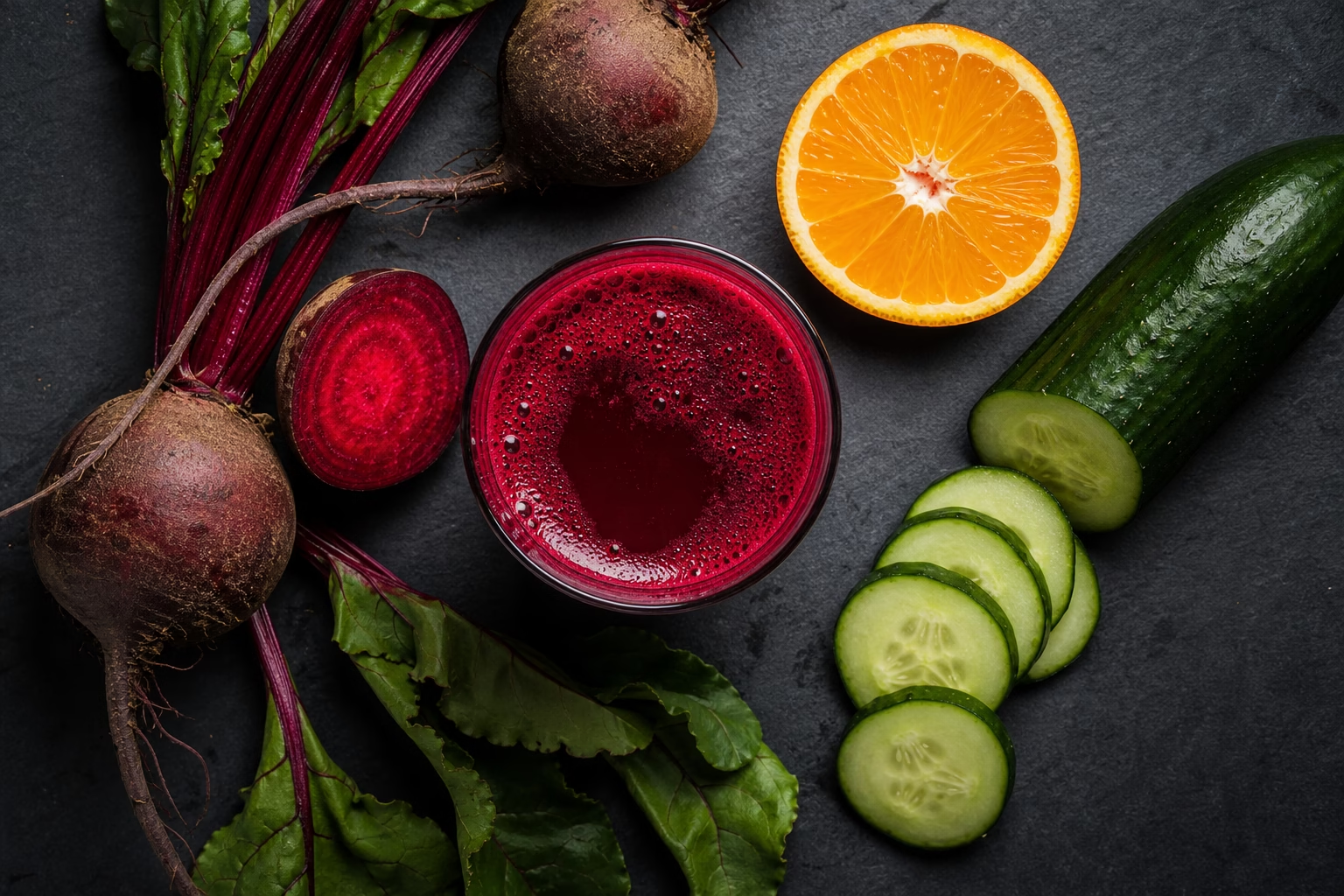
This mild version uses cucumber and citrus to soften the earthy taste. It takes about 10 minutes.
- 2 medium beets, scrubbed and trimmed
- 1 orange, peeled (or 1 lemon)
- 1 small cucumber
- Scrub the beets well and trim the tops and tails.
- Cut everything to fit your juicer’s chute.
- Juice the beets, cucumber and orange.
- Stir, then dilute with cold water to taste. Pour 2-4 oz to start.
Yield depends on beet size and juicer. Two medium beets commonly give about 1 cup, but measure rather than assume. Drink it right away, or refrigerate in a sealed container and use within 24-48 hours. Freeze for longer storage. Rinse your juicer promptly, since beet stains set fast.
Want other root-based ideas? Try our sweet potato juice recipe.
Handy Tools for Juicing Beets
You do not need special equipment, but a few basics make beet juice easier.

1. Scrub beets clean
Beets grow in soil, and a vegetable brush removes dirt from the skin.

2. Budget juicer for beginners
A centrifugal juicer handles firm beets quickly, though it is louder and yields less than slow juicers.

3. Store extra juice
Glass bottles keep juice sealed in the fridge for the 24-48 hour window.
Tip: Beets are hard and dense, so cut them small and feed slowly whatever juicer you use.
Beginner Beet Cucumber Orange Juice
A mild, lightly sweet beet juice softened with cucumber and orange.
Equipment
- Juicer (fast or slow, compare types)
Ingredients
- 2 medium beets (scrubbed and trimmed)
- 1 whole orange (peeled)
- 1 small cucumber
- cold water (to dilute, to taste)
Instructions
- Scrub the beets well and trim the tops and tails.
- Cut everything to fit your juicer’s chute.
- Juice the beets, cucumber and orange.
- Stir and dilute with cold water to taste.
- Drink right away, starting with 2-4 oz.
Yield varies with beet size and juicer, so measure your result.
Refrigerate in a sealed container and use within 24-48 hours; freeze for longer storage.
Rinse the juicer promptly to avoid stains.
Estimates only; amounts and times vary. Not medical advice. Juice is not a replacement for whole fruit and vegetables.
Frequently Asked Questions
Is beet juice good for blood pressure?
Some small studies suggest beetroot juice may modestly lower blood pressure, but results vary and it is not a treatment. If you take blood pressure medicine, talk to your doctor first.
How much beet juice should I drink a day?
There is no established daily dose. A cautious beginner serving is 2-4 oz, diluted, a few times a week, increasing only if you tolerate it.
Does beet juice turn urine red?
It can temporarily turn urine or stool pink or red because of beet pigments. Persistent or painful bleeding needs medical evaluation.
Is juiced beet better than whole beets?
Not necessarily. Juicing removes most fiber, while whole or blended beets keep more of it.
Beet juice can be a tasty way to enjoy a nutrient-rich vegetable, and nitrates are a genuinely interesting area of research. Still, the evidence is limited, and a small glass is plenty to begin with.
Start small, dilute it, and check with your doctor if any of the safety notes apply to you. For more on fruit-based options, see our apple juice benefits guide.
This article is for general information only and is not medical advice. If you are pregnant, take medication or have a health condition, talk to your doctor before changing your diet or doing a juice cleanse.