How to Make Juice Without a Recipe: The 5-Part Formula
This post contains affiliate links. As an Amazon Associate, we earn from qualifying purchases at no extra cost to you.
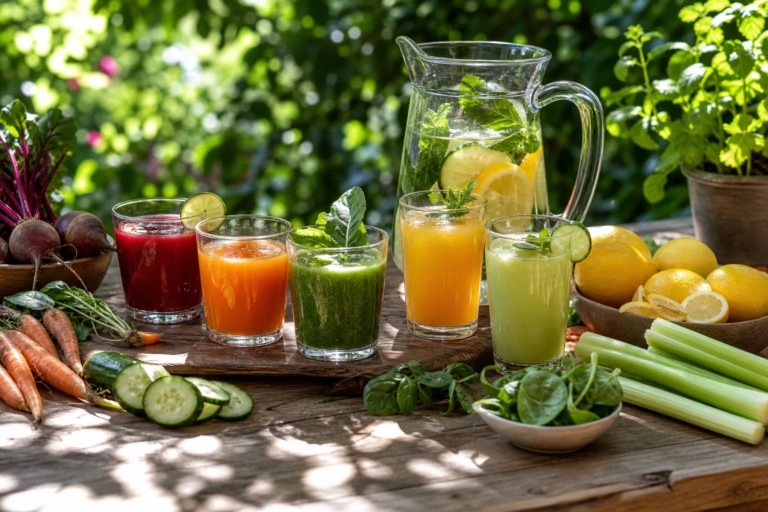
Learning how to make juice without a recipe means you can open the fridge, see what is there, and build a balanced glass in minutes. No more shopping for one specific recipe or wasting produce that does not fit.
The trick is to think in shares of the glass instead of ingredient lists. Below you will find a five-part formula, starting amounts for a 12-16 oz glass, swap ideas, and a repair table for when your juice lands too sweet, flat, bitter or thin.
The 5-Part Formula at a Glance
Every good glass of juice has the same skeleton. Here are the five parts and the share of the glass each one usually takes:
- Base (40-50%): watery, mild produce like cucumber, celery, romaine or lettuce.
- Body (25-35%): produce that adds color and substance, like carrot, beet, tomato, fennel or leafy greens.
- Sweet (10-20%): apple, pear, orange, pineapple or grapes.
- Bright (5-10%): lemon, lime, grapefruit or tart berries.
- Accent (a pinch to 1 tablespoon): ginger, mint, basil, turmeric, jalapeño or a tiny pinch of salt.
Think of it like building a song: the base is the rhythm, the body is the melody, sweet and bright balance each other, and the accent is the surprise at the end.
Starting Amounts for a 12-16 oz Glass
Use these as starting proportions. Yield changes a lot with ripeness, variety and the machine you use, so juice enough produce to reach each volume rather than counting pieces.
| Part | Amount of juice | Example |
|---|---|---|
| Base | 6-8 oz | 1 large cucumber or 4-5 celery stalks |
| Body | 4-5 oz | 2-3 medium carrots |
| Sweet | 2-3 oz | 1 small apple or pear |
| Bright | 1-2 tablespoons | Juice of about half a lemon |
| Accent | ¼-1 teaspoon | Small knob of ginger or a few mint leaves |
That adds up to roughly 13-16 oz. If you want a smaller glass, scale every part down together.
Step by Step: Build Your Glass
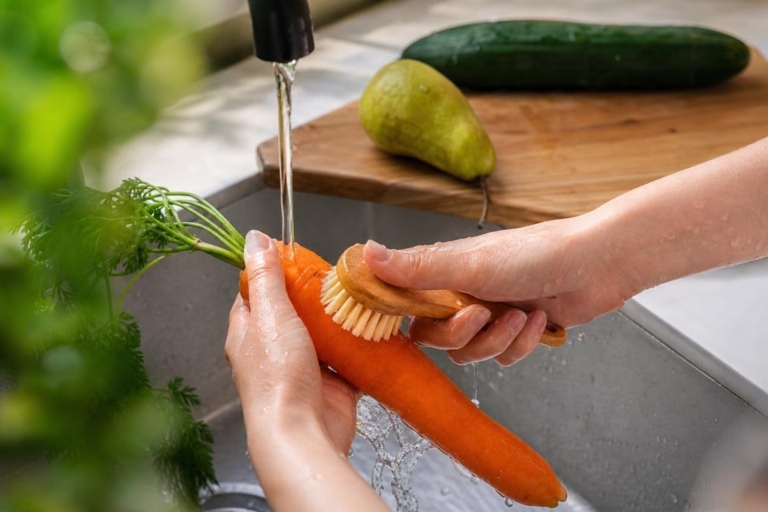
- Wash everything under running water and trim any damaged spots. Scrub firm produce like carrots and beets with a brush.
- Remove pits, stones and hard cores. Skip anything your juicer manual says not to use.
- Chop to fit your feed chute.
- Juice the watery base first, then body, then sweet.
- Add bright and accent last in small amounts. Citrus can be squeezed by hand straight into the glass.
- Taste, then adjust. Add more of one thing at a time, never three.
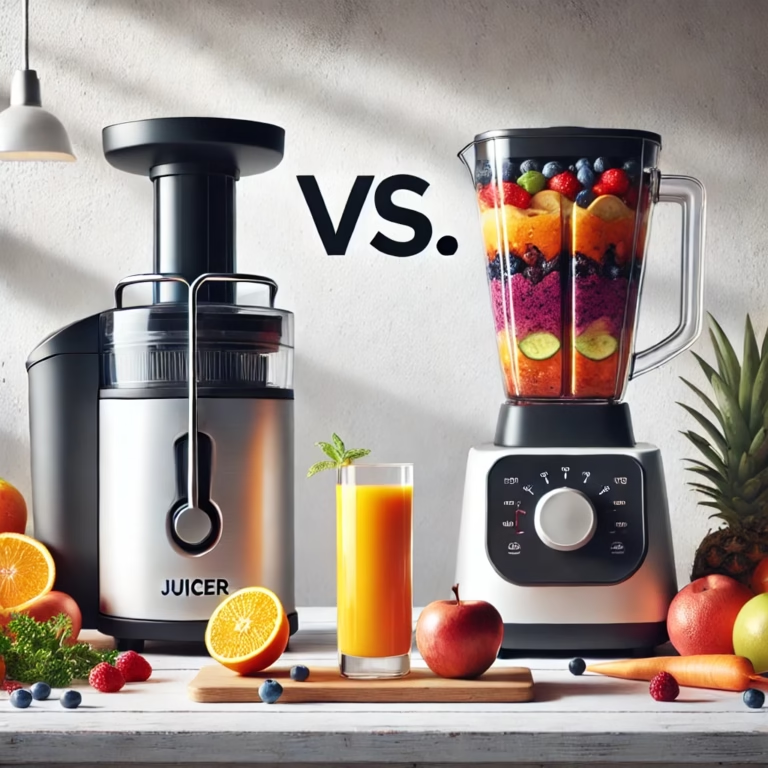
No juicer? A blender can make a juice-like drink if you strain it through a mesh bag, but straining removes much of the pulp and fiber. Our juicing vs blending guide explains the difference.
Easy Swaps for Each Part
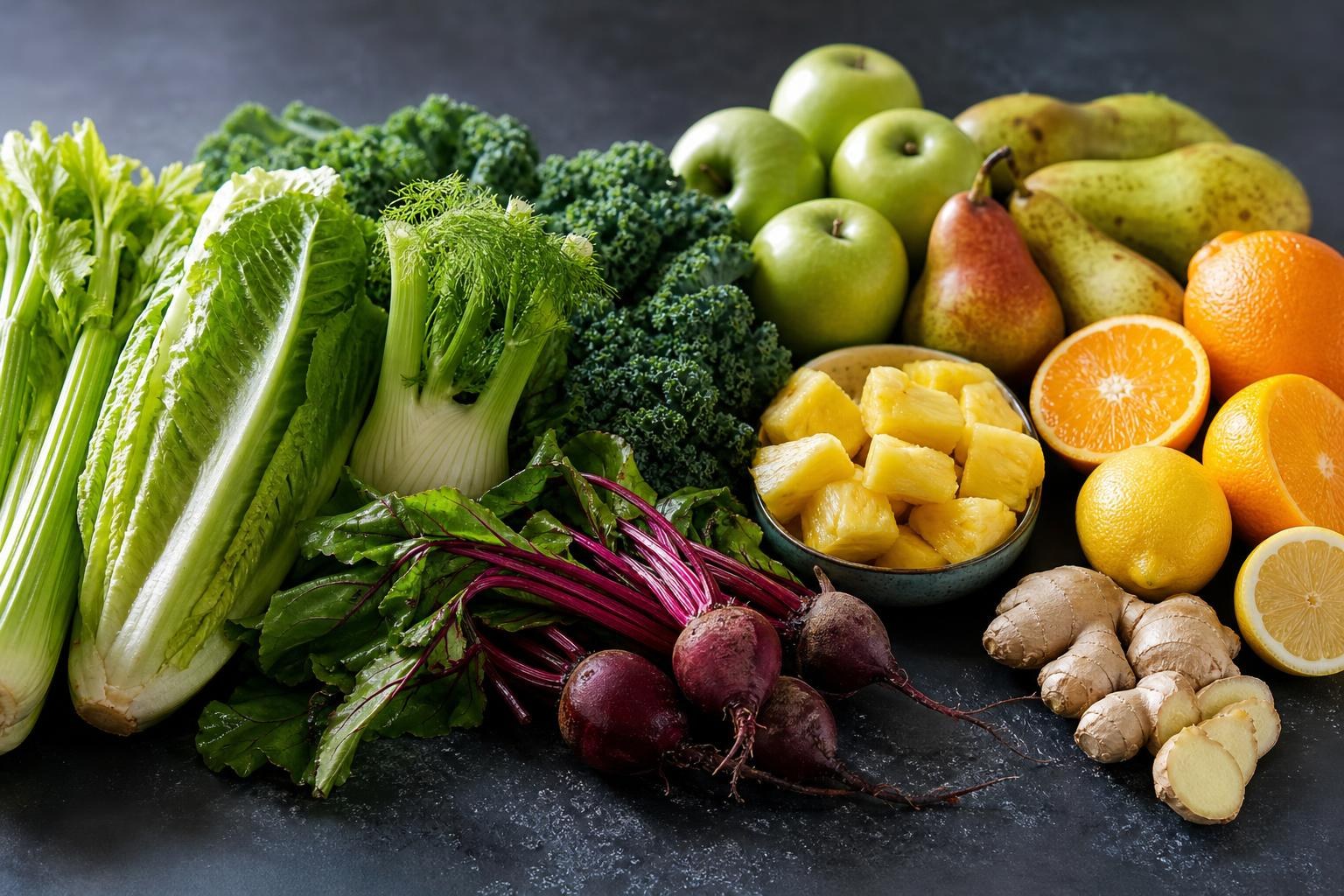
Once you know the roles, you can swap freely. Pick one from each row:
- Base: cucumber, celery, romaine, butter lettuce, zucchini.
- Body: carrot, beet, tomato, fennel, spinach, kale.
- Sweet: green apple, pear, orange, pineapple, grapes.
- Bright: lemon, lime, grapefruit, a few tart berries.
- Accent: ginger, mint, basil, turmeric, a sliver of jalapeño, a pinch of salt.
A few combinations to try: cucumber + carrot + pear + lime + mint for a fresh, light glass; celery + tomato + apple + lemon + basil for a savory one; romaine + spinach + green apple + lemon + ginger for a green glass. If greens are new to you, our green juice for beginners post keeps things mellow.
Juice Repair Table: Fix It in Seconds
If your glass tastes off, do not toss it. Change one thing and taste again.
| Problem | Quick fix |
|---|---|
| Too sweet | Add cucumber or celery juice, a splash of water, ice, or a squeeze of lemon or lime. Do not add more fruit. |
| Flat | Add citrus, a little ginger, fresh herbs, or a tiny pinch of salt. |
| Bitter | Dilute with more base or a little mild sweet produce. Add citrus cautiously, since acidity can emphasize some bitterness. |
| Thin | Add more body ingredients, stir in a little pulp, or use less ice. |
| Too sharp | Add more base and a small amount of sweet produce. |
Foamy or separating juice is normal. Just stir, shake or skim the foam off.
Handy Tools for Freestyle Juicing
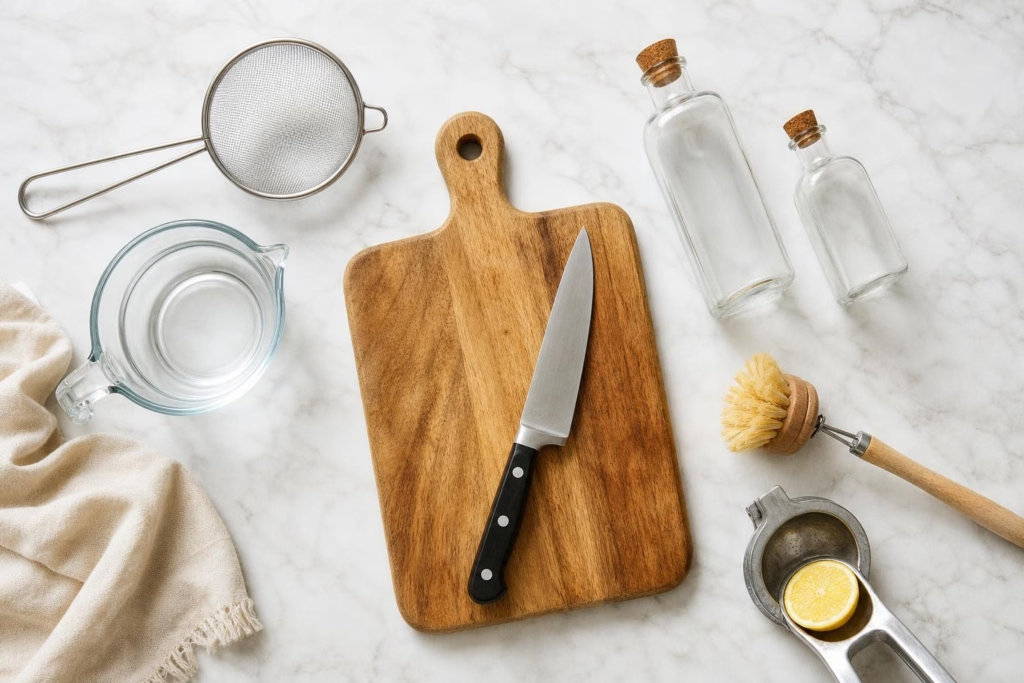
You do not need much to follow the formula. These are the pieces that make it easier.

1. Fast centrifugal juicer
Quick for apples, carrots and celery on weekdays, but it is louder and less efficient with leafy greens.

2. Manual citrus press
Perfect for the bright part, since you only need a tablespoon or two of lemon or lime.

3. Glass bottles
Store a glass in the fridge in a tightly closed, easy-to-clean bottle.
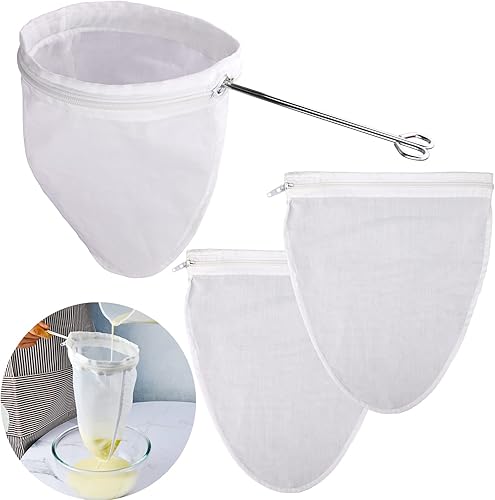
4. Fine mesh strainer bags
Strain pulp for a smoother texture or squeeze juice from blended produce.
Tip: Start with what you have. A simple juicer and a clean bottle are enough for your first week.
Common Mistakes When Juicing Without a Recipe
- Too many strong flavors. Beet, ginger, greens and citrus together can overwhelm a glass. Pick one or two stars.
- Too much fruit. Juicing concentrates natural sugar and removes much of the fiber, so “natural” does not mean low-sugar. Keep sweet to about 10-20% of the glass.
- Treating juice as a meal. It generally has less fiber and protein than whole produce. See our juicing meal prep plan for pairing juice with real food.
- Juicing the wrong things. Avoid pits, stones and tough skins, and follow your machine’s manual.
- Skipping the taste check. Taste before you add more of anything.
Not sure how much produce to buy? The juice yield calculator helps you estimate.
Food Safety and Storage Basics
Raw juice can carry harmful bacteria from produce, and an acidic taste does not make it sterile. Wash produce well, clean your equipment right after use, and keep juice cold.
- Refrigerate fresh juice right away in a clean, tightly covered container.
- A cautious target is to drink it within 24-72 hours, and sooner is better.
- Discard juice left at room temperature for more than 2 hours.
Caution: The FDA lists young children, pregnant people, older adults and people with weakened immune systems as higher-risk groups who should avoid untreated juice or choose pasteurized juice. If you have diabetes, kidney issues or take medication, talk to your doctor before making juice a regular habit.
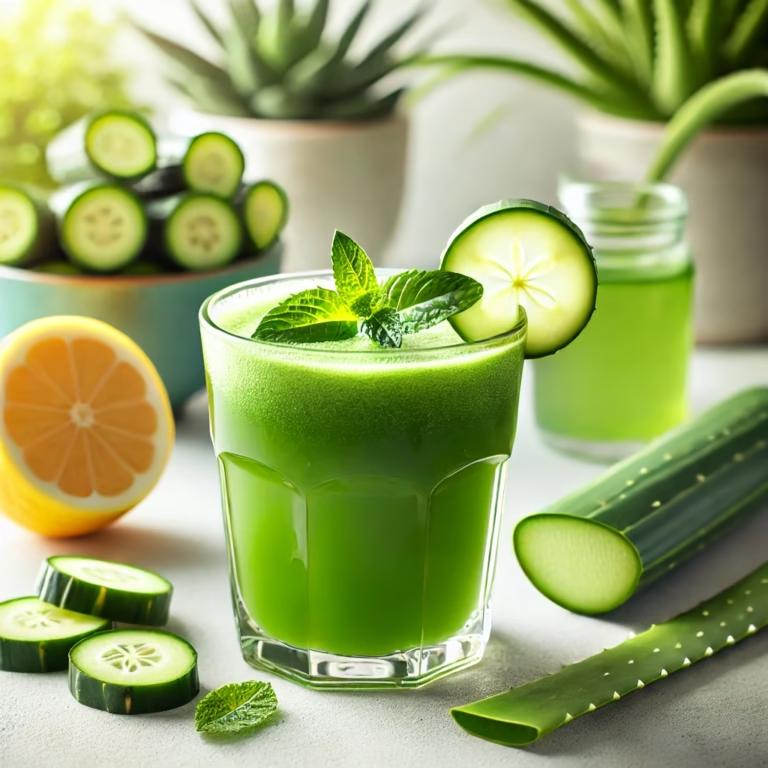
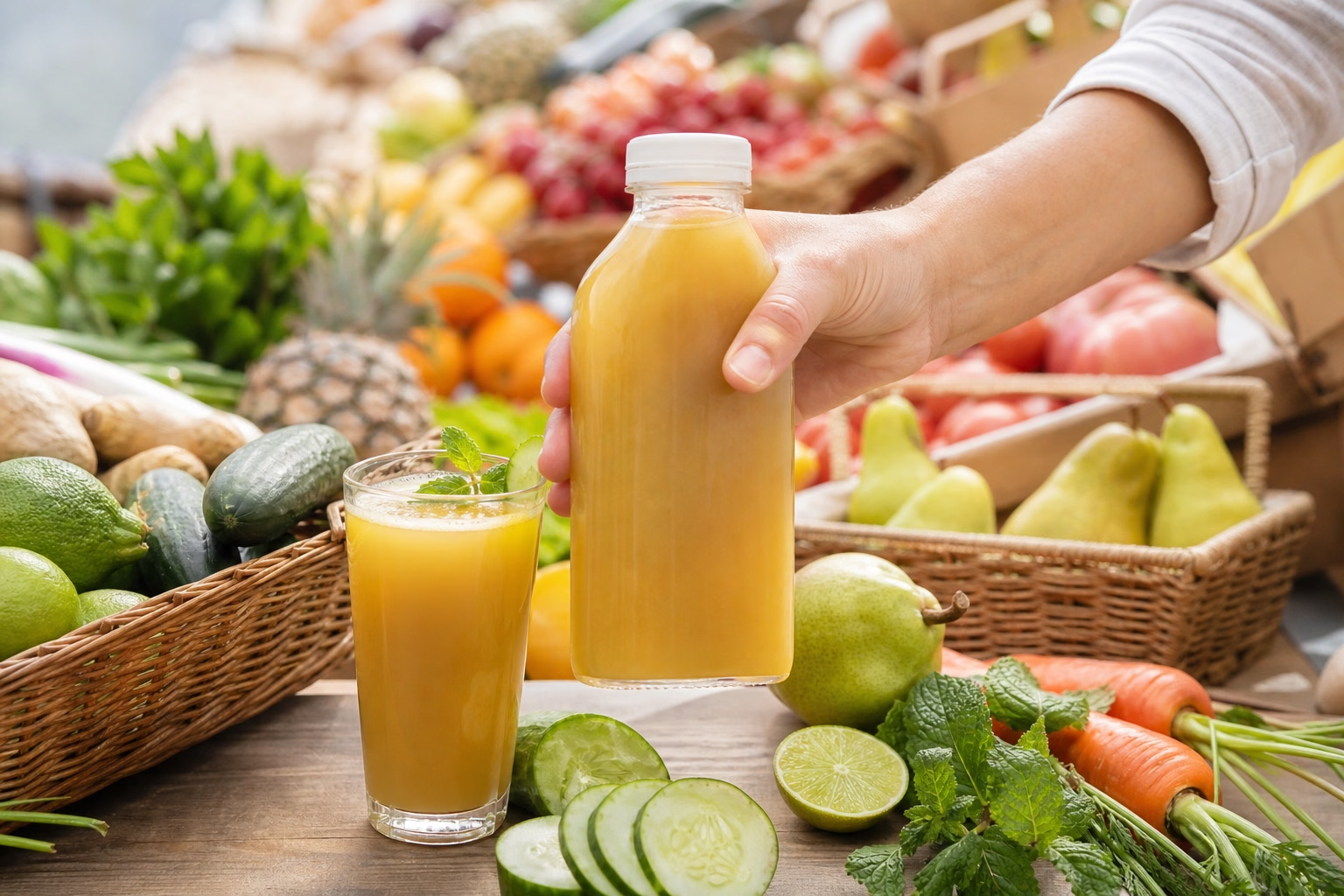
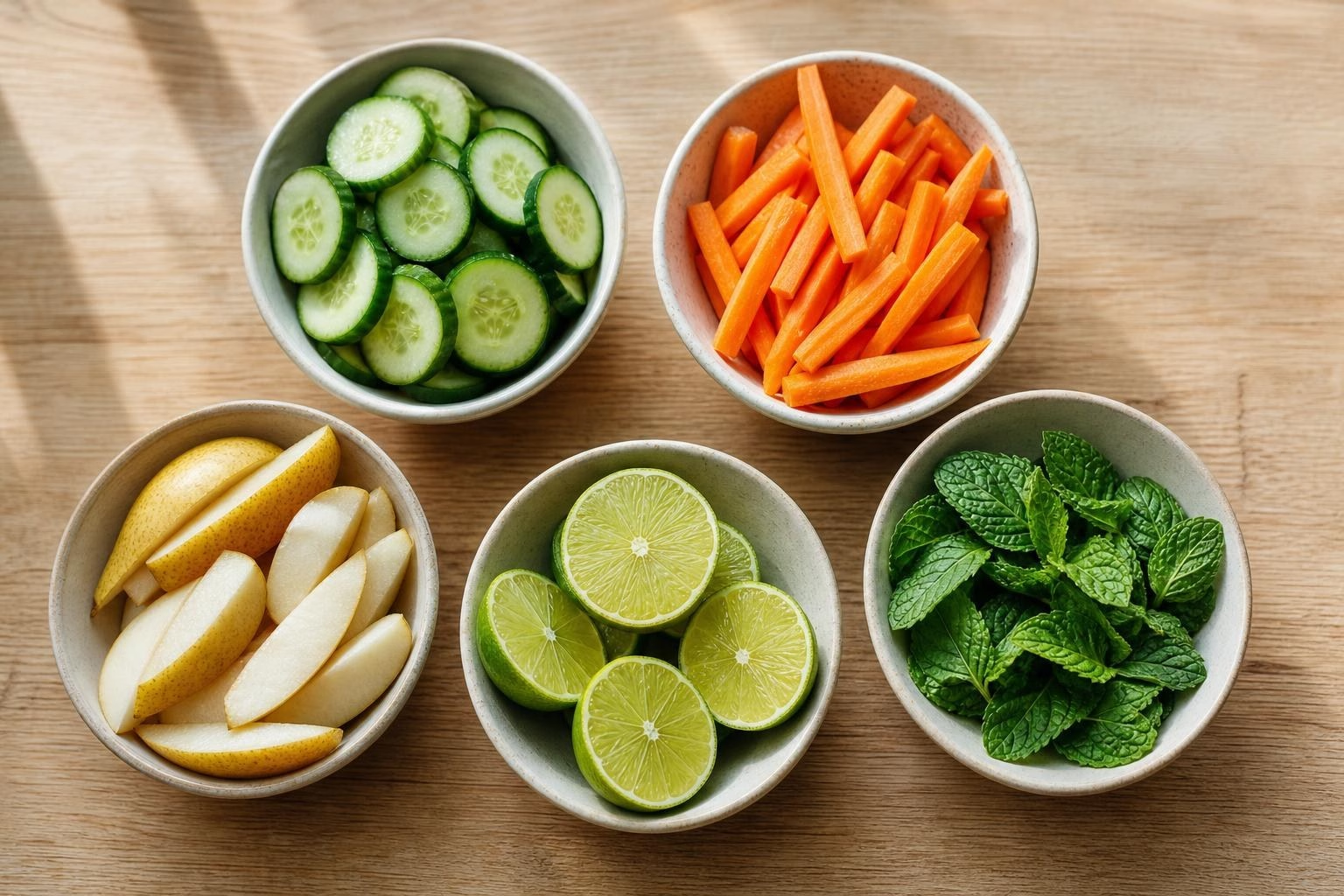
Freestyle Cucumber Carrot Juice (5-Part Formula)
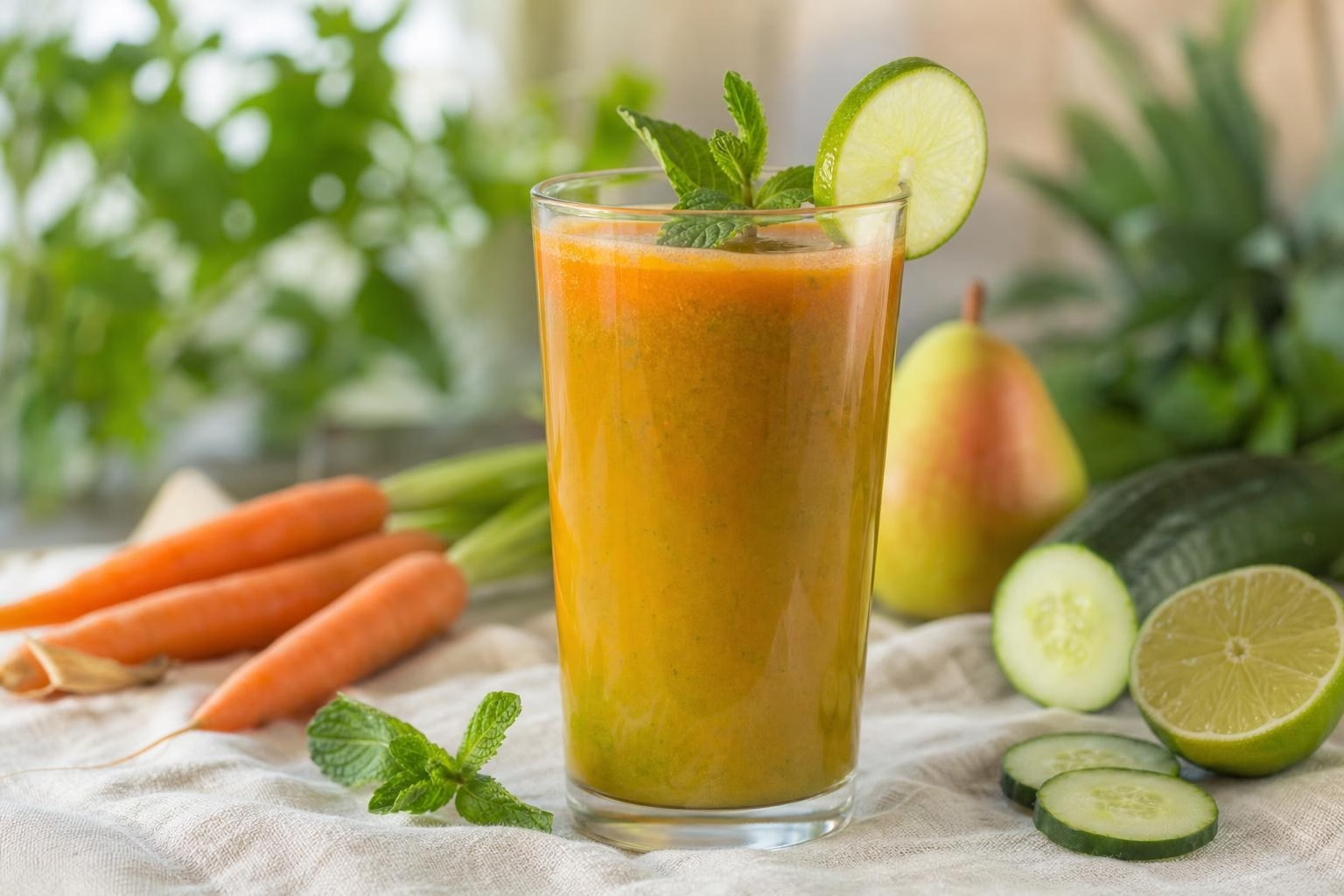
A light, fresh glass built from the five-part formula with cucumber, carrot, pear, lime and mint.
Equipment
- Juicer (fast or slow, compare types)
Ingredients
- 1 large cucumber (base, about 6-8 oz juice)
- 2 medium carrots (body, about 4-5 oz juice)
- 1 small pear (sweet, about 2-3 oz juice, cored)
- 1 tablespoon lime juice (bright)
- 5 leaves fresh mint (accent)
Instructions
- Wash all produce and scrub the carrots.
- Chop to fit your juicer and core the pear.
- Juice the cucumber first, then carrots, then pear and mint.
- Stir in the lime juice, taste, and adjust with the repair table.
Too sweet? Add a splash of cucumber juice or water.
Flat? Add a tiny pinch of salt or more lime.
Estimates only; amounts and times vary. Not medical advice. Juice is not a replacement for whole fruit and vegetables.
Frequently Asked Questions
Do I need exact ratios to make juice?
No. Use the shares as a starting point, then adjust by taste. Change one ingredient at a time so you know what made the difference.
Can I juice any fruit or vegetable?
No. Avoid pits, stones and tough skins, and anything your juicer manual says can damage the machine.
How long does fresh juice keep?
Refrigerate it right away in a tightly covered container and aim to drink it within 24-72 hours. Discard it if it sat out for more than 2 hours.
Why is my juice foamy or separating?
This is normal. Stir or shake it, or skim off the foam.
Is juice healthier than eating whole produce?
Not automatically. Juicing removes much of the fiber and concentrates natural sugars, so many people enjoy it as a complement to whole foods.
Once the five parts click, you will rarely need a recipe again. Start with the amounts above, taste often, and use the repair table when something is off. If you want a structured routine later, our 7-day juice cleanse plan is a good next step, and our best juicers under $150 guide can help when you are ready to pick a machine.
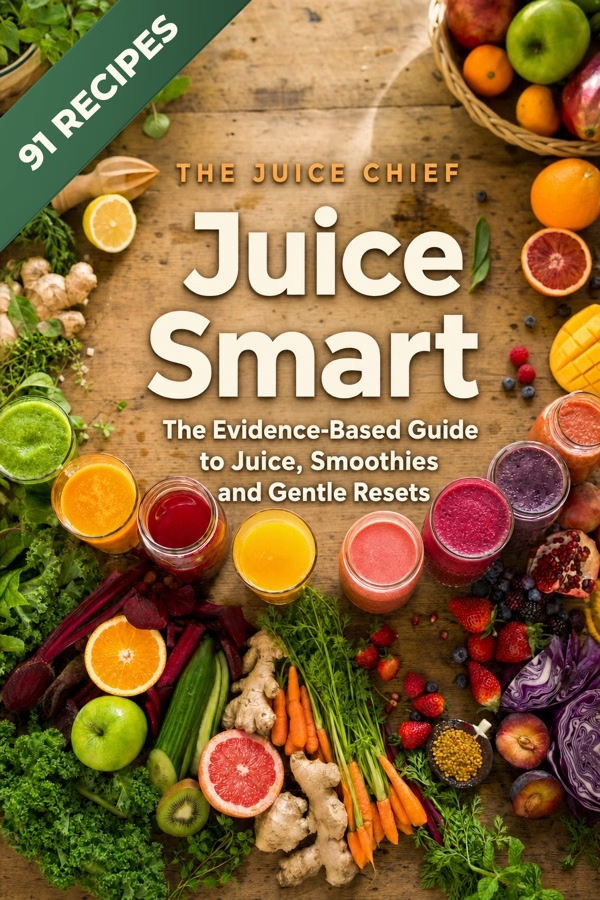
OUR NEW BOOK
Juice Smart: the evidence-based guide to juice, smoothies and gentle resets
One simple formula, 91 recipes with sugar and calories on every drink, three gentle reset plans and a plain-language look at what the research really shows.
Get the paperbackKindle editionFree printables and a look insideKeep Reading
All the gear we recommend, in one place
Juicers, blenders and small kitchen tools, sorted into short lists, including picks under $10.
Browse our Amazon storefrontAffiliate link: we earn from qualifying purchases at no extra cost to you. How we pick products
This article is for general information only and is not medical advice. If you are pregnant, take medication or have a health condition, talk to your doctor before changing your diet or doing a juice cleanse.