Juice vs Smoothie: Which One Fits Your Goals?
This post contains affiliate links. As an Amazon Associate, we earn from qualifying purchases at no extra cost to you.
The juice vs smoothie question comes up all the time, and the honest answer is that neither one is automatically better. They are different tools. One is light and quick to drink, the other is thicker and usually more filling.
Below we compare them on fiber, fullness, sugar, convenience and safety, based on what the research does and does not show. Then we’ll look at simple ways to use both in a normal week.
Juice vs Smoothie: The Short Answer
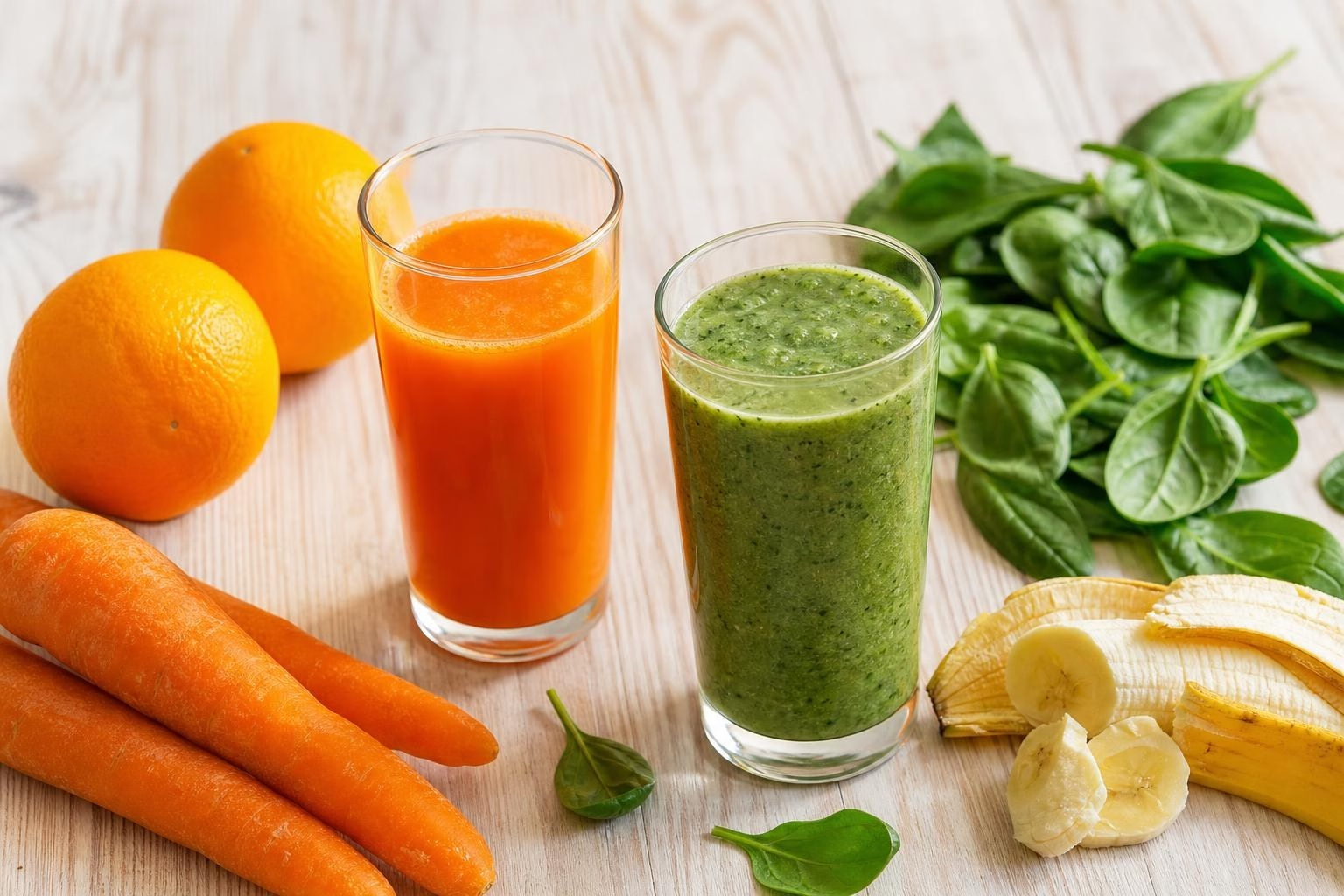
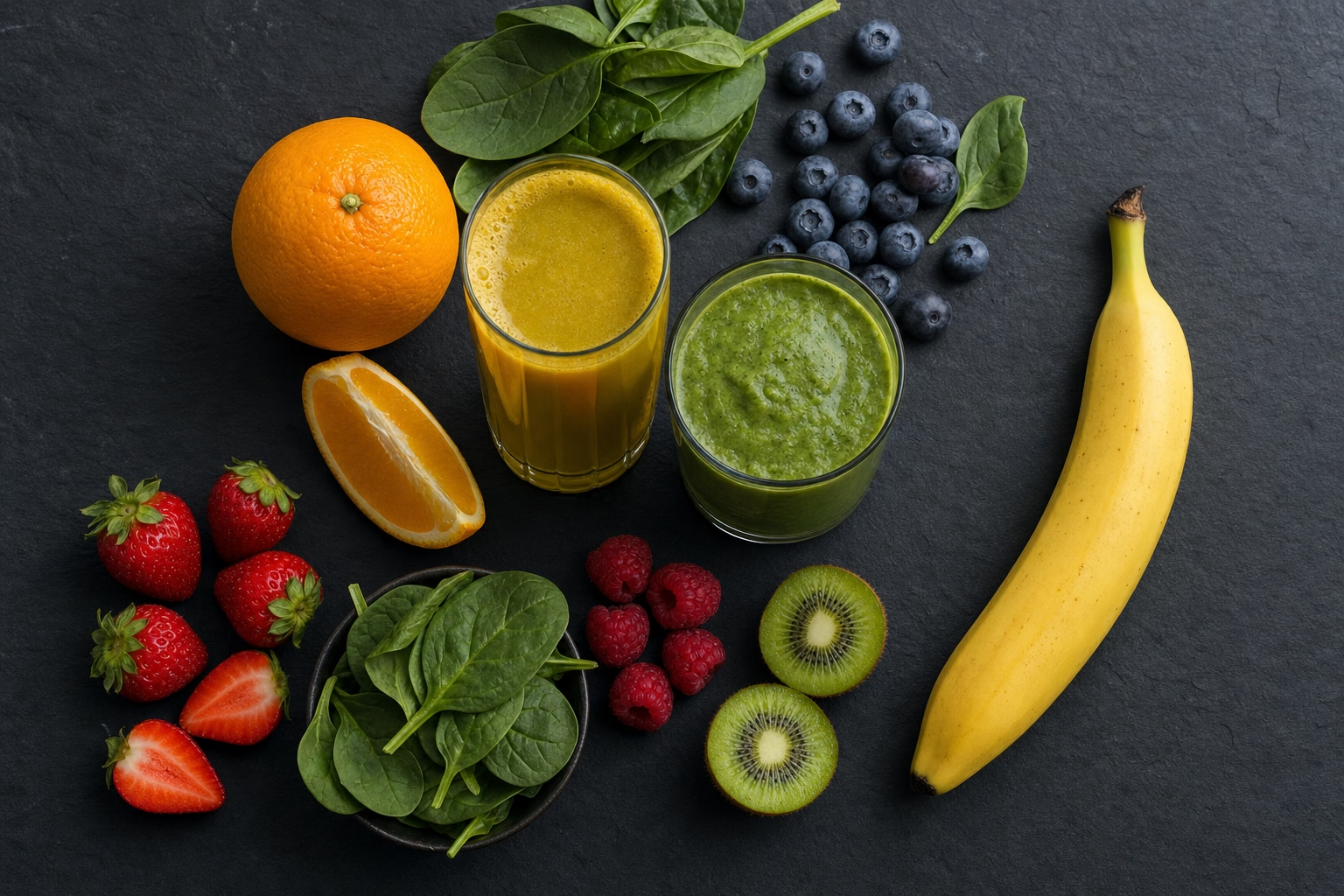
Juicing separates the liquid from the pulp. Blending keeps the whole fruit or vegetable, fiber included. That one difference drives most of what follows.
- Juice: light, easy to sip, usually very little fiber unless you stir pulp back in.
- Smoothie: thicker, keeps the edible fiber of whatever you blend, and is generally more filling.
- Neither: is a magic fix. Ingredients and portion size matter more than the label.
If you want the machine side of this, our juicing vs blending guide goes deeper.
Fiber and Fullness: Where They Differ Most
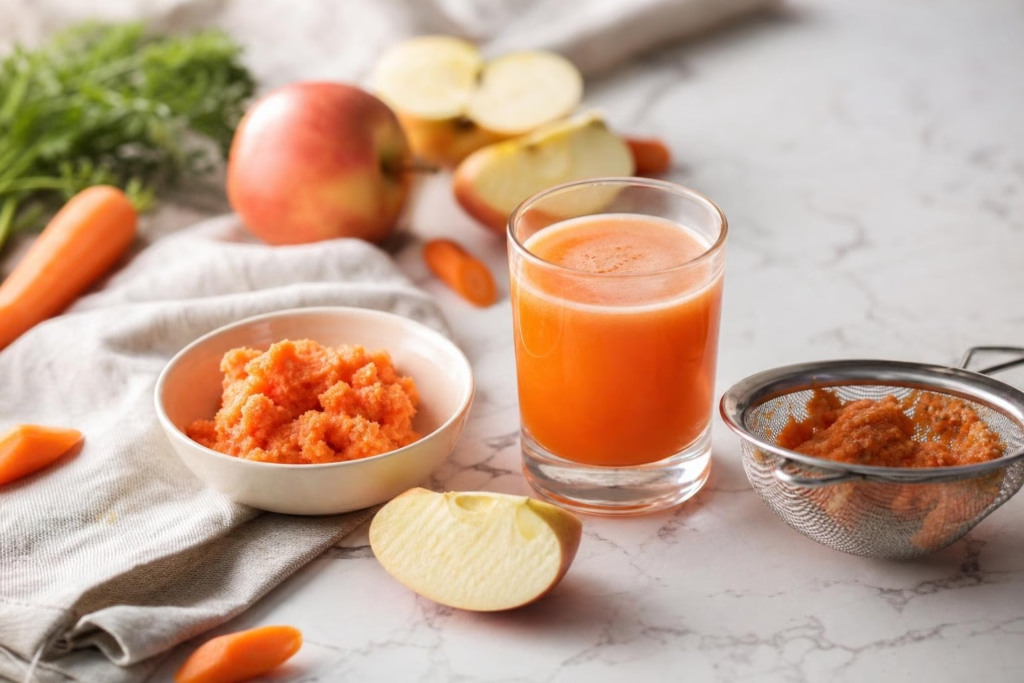
Unless pulp is added back, juice contains little fiber. A smoothie keeps the fiber from the produce you blend. Exact amounts vary a lot by recipe, so for specific numbers check USDA FoodData Central for your own ingredients.
What does research say about fullness? In controlled studies, whole fruit produced greater satiety and delayed the return of appetite compared with juice. Some evidence also suggests that solid fruit can be more filling than the same fruit as a smoothie.
So the practical order of fullness tends to be: whole fruit, then smoothie, then juice. Smoothie results do depend on ingredients, portion size and texture, so a thin fruit-only smoothie will not fill you like one with oats, yogurt or nut butter.
Sugar: What to Watch in Each
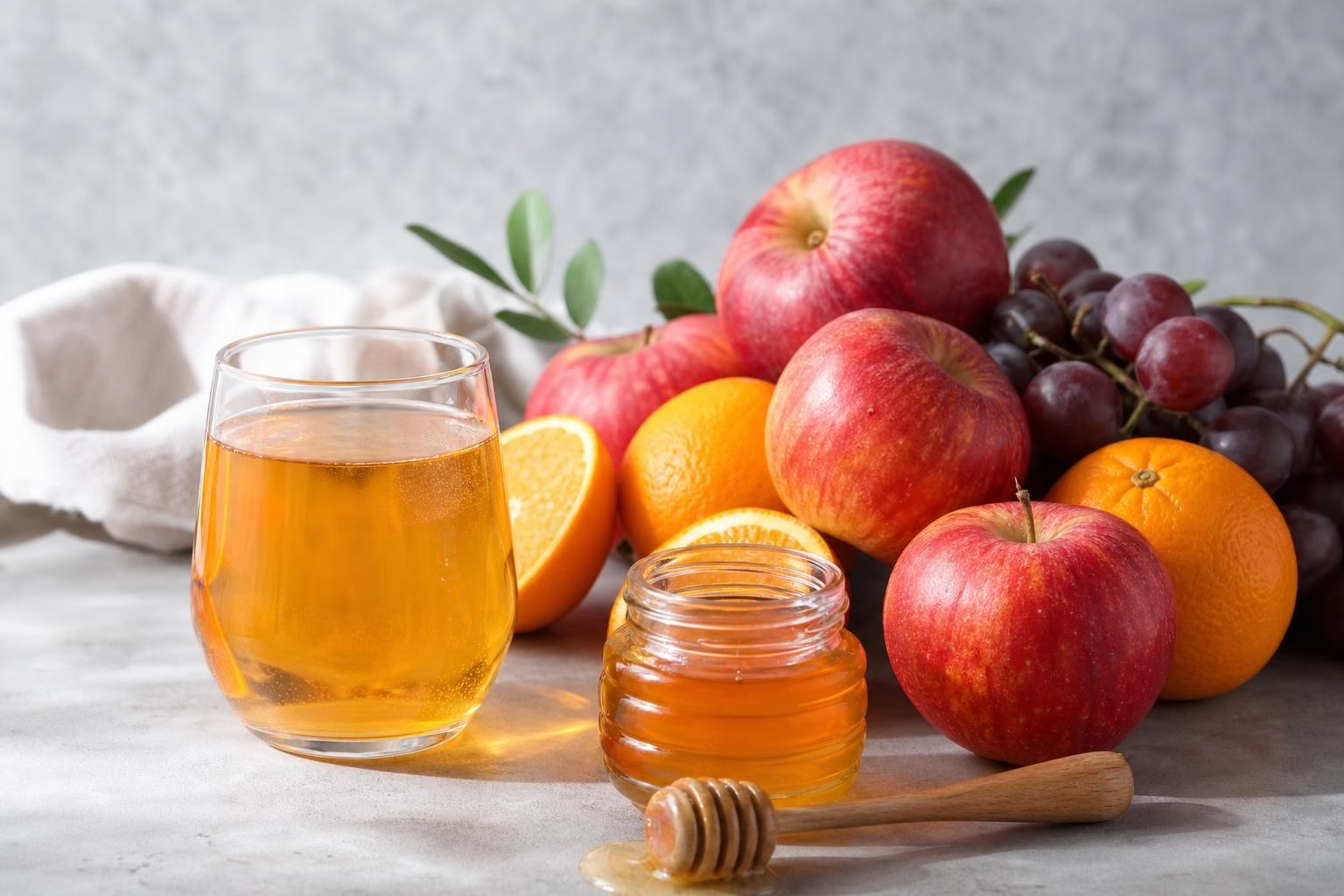
Juice can concentrate several fruits into one glass, which makes a lot of sugar easy to drink quickly. Natural sugar still counts toward your total carbohydrate. Smoothies add up fast too when you include juice, honey, syrup or sweetened yogurt.
One small controlled study found that a smoothie made with a fruit-equivalent portion and no added sugar produced a lower post-meal glucose response than the whole fruit. That is one small study, not proof that every smoothie is better than every juice.
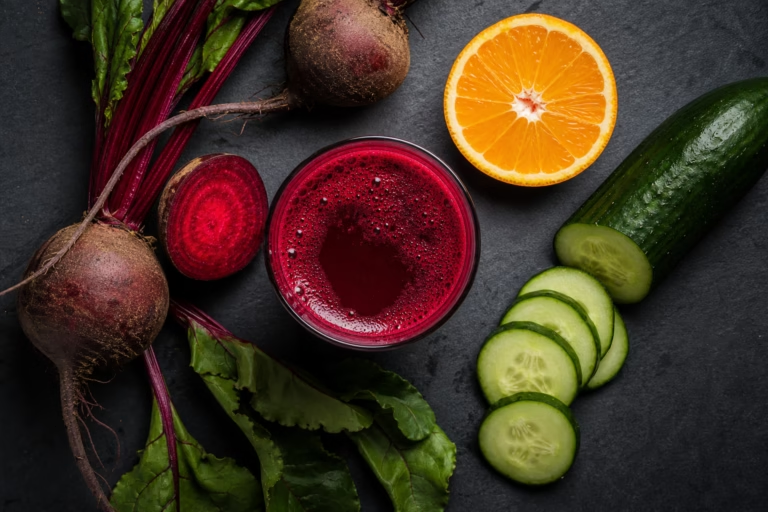
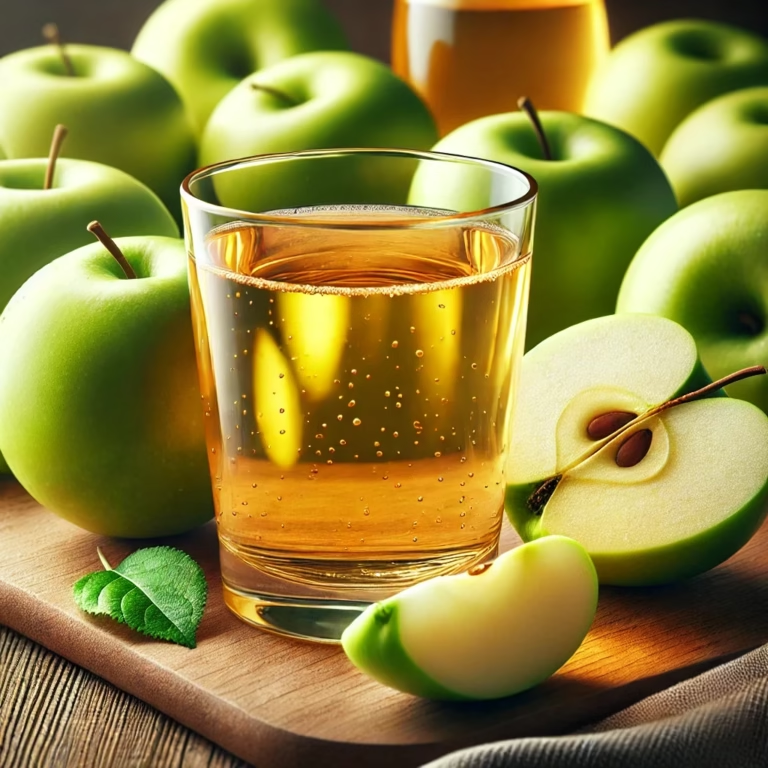
- Build juices around vegetables with one fruit for sweetness, such as cucumber, celery, greens and a green apple.
- Start smoothies with one serving of fruit, then add vegetables.
- Skip added sweeteners and fruit juice as a smoothie base.
If you manage diabetes or count carbohydrates, count the carbs in both drinks and talk to your doctor about what fits you.
Convenience, Prep Time and Cleanup
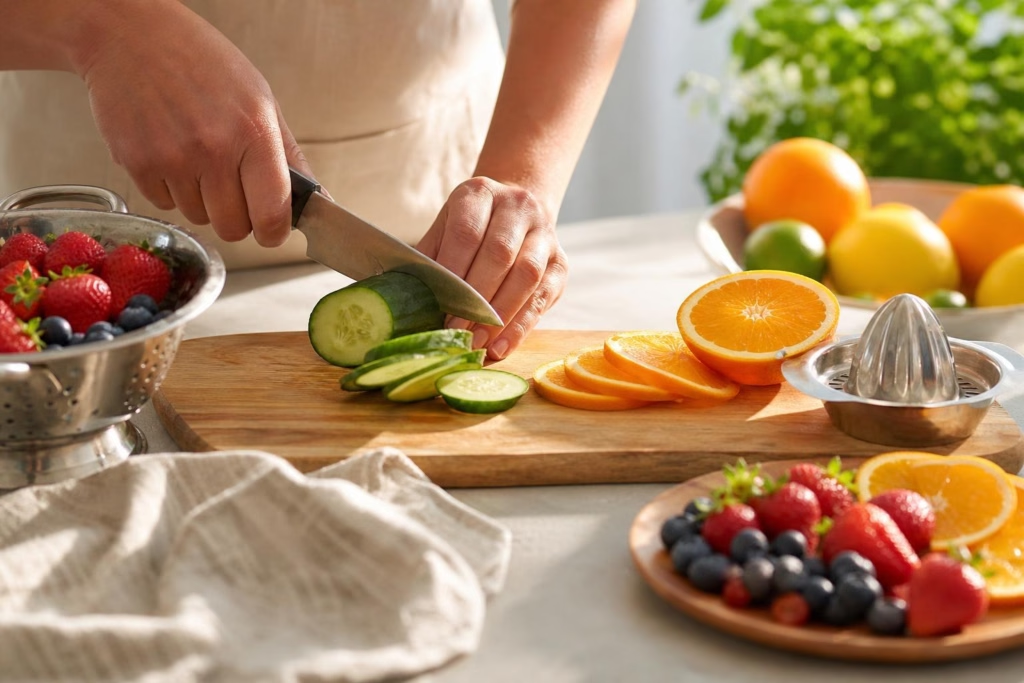
A simple smoothie commonly takes about 5 to 10 minutes. Juicing often takes about 10 to 20 minutes once you count chopping and cleanup. Your machine, produce and batch size can change that a lot.
- Yield: roughly 2 to 3 medium oranges make about 1 cup of juice. One banana, 1 cup of berries and a half to 1 cup of liquid commonly makes about 12 to 16 oz of smoothie. These are estimates.
- Produce needed: juice uses a lot more produce per glass than a smoothie.
- Cleanup: blenders are usually quick to rinse. Juicers have more parts, which is why many people stop juicing.
If speed is your priority, a smoothie wins on most days. If you love a clean, light drink and don’t mind the extra cleanup, juice is a nice change.
Who Each One Suits
A smoothie may suit you if:
- You want a breakfast or snack that keeps you full.
- You’re short on time in the morning.
- You want to get more vegetables without fussing with a juicer.
Juice may suit you if:
- You want a light drink alongside a meal.
- You find thick drinks heavy or hard to finish.
- You enjoy trying vegetable-forward blends like our green juice for beginners.
Neither one replaces whole fruits and vegetables. Think of both as extras, not substitutes.
How to Use Both in an Ordinary Week
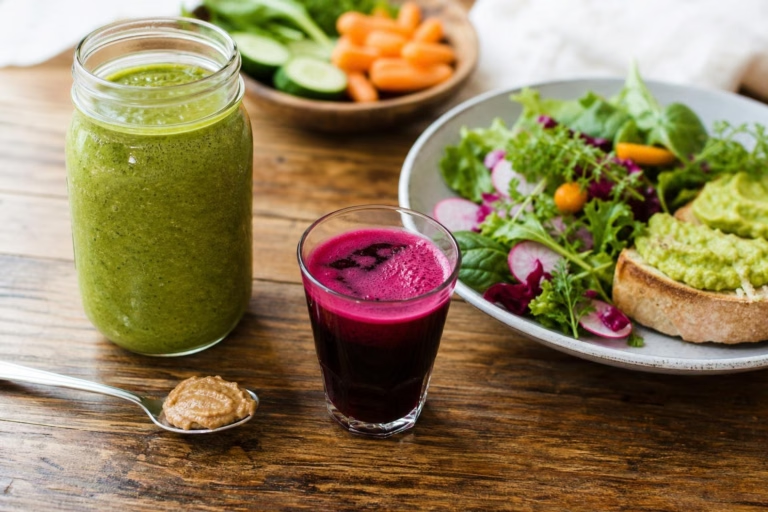
You don’t have to choose. A workable week looks like this:
- Weekday breakfasts: a fiber-rich smoothie with fruit, greens, and a protein or fat such as unsweetened yogurt or nut butter.
- With lunch or dinner: a small glass of vegetable-heavy juice, a few times a week.
- Weekends: a juice when you have time to prep and clean up.
Our juicing meal prep plan shows how to spread juices and real meals across a week. If you’re curious about a structured reset, see our 7-day juice cleanse plan, and read the cautions there first.
Gear That Helps for Juice and Smoothies
You only need the machine that matches how you’ll actually drink. Here are a few options from both sides.

1. Ninja Fit Compact Personal Blender (QB3001SS)
Entry-level single-serve smoothies. Not suited to big batches or very fibrous greens.

2. Vitamix 5200 Professional-Grade Blender (64 oz)
Powerful and keeps the fiber. It is a big, loud machine and a bigger investment.

3. Breville JE98XL Juice Fountain Plus
Fast juicing for hard fruit and vegetables. Centrifugal juicers are louder and give less from leafy greens.

4. Glass juice bottles (16 oz, 6-pack)
Handy for keeping a batch cold in the fridge. Skip them if you only drink juice fresh.
Tip: If you’re unsure, start with a blender, since smoothies are the quicker habit, and add a juicer later if you miss juice.
Common Mistakes With Both
- Treating juice as a full meal. It has little fiber and usually little protein.
- Adding sweeteners to an already sweet drink.
- Oversized portions. A giant smoothie can hold several servings of fruit.
- Leaving protein or fat out of a smoothie that replaces a meal.
- Skipping the produce wash.
- Storing drinks for several days.
- Assuming pulp-free juice and a smoothie have the same fiber, or that “cold-pressed” means pasteurized or safer.
Safety and Storage Basics
Fresh smoothies and unpasteurized juices are perishable. Refrigerate them promptly at 40°F (4°C) or below, and for best quality drink them the same day. FDA guidance calls for refrigeration of untreated juice and of pasteurized refrigerated juice.
- Wash produce, keep cut ingredients cold and clean equipment soon after use.
- Pregnant people, young children, older adults and anyone immunocompromised should choose pasteurized or otherwise treated juice, since fresh-squeezed juice may be untreated.
- If you take medication, such as blood thinners, or have kidney issues, ask your doctor before changing what you drink regularly.
Frequently Asked Questions
Is juice or a smoothie better for you?
Neither is automatically better. Smoothies keep the fiber and tend to be more filling, while juice is lighter and quicker to drink; what you put in each matters most.
Does juice have less fiber than a smoothie?
Yes, usually. Juicing removes most of the pulp, while blending keeps the edible fiber, though exact amounts vary by recipe.
Can a smoothie have too much sugar?
Yes. Large portions of fruit, fruit juice, honey or sweetened yogurt can add up quickly, so start with one fruit serving and add vegetables.
Can I replace a meal with a smoothie?
Some people do, but a meal smoothie works best with fiber plus protein or fat. If you have a health condition, check with your doctor first.
How long can I keep fresh juice or a smoothie?
Refrigerate promptly at 40°F or below and drink them the same day for best quality, since they are perishable.
The best choice is the one you’ll actually make and enjoy. Use smoothies when you want fullness and speed, juice when you want something light, and keep whole fruits and vegetables on the plate too. If you’d like a machine recommendation, our juicer and blender comparison is a good next stop.
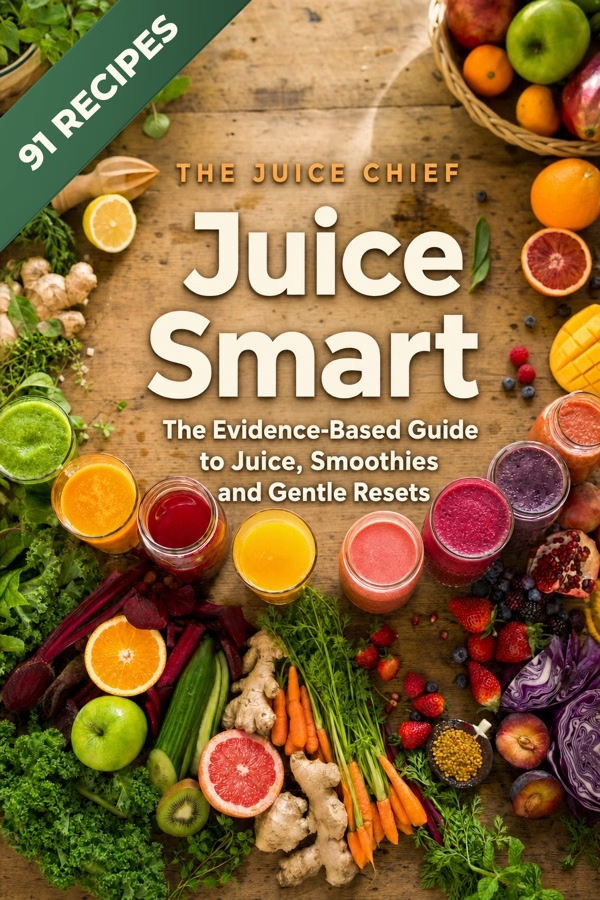
OUR NEW BOOK
Juice Smart: the evidence-based guide to juice, smoothies and gentle resets
One simple formula, 91 recipes with sugar and calories on every drink, three gentle reset plans and a plain-language look at what the research really shows.
Get the paperbackKindle editionFree printables and a look insideKeep Reading
All the gear we recommend, in one place
Juicers, blenders and small kitchen tools, sorted into short lists, including picks under $10.
Browse our Amazon storefrontAffiliate link: we earn from qualifying purchases at no extra cost to you. How we pick products
This article is for general information only and is not medical advice. If you are pregnant, take medication or have a health condition, talk to your doctor before changing your diet or doing a juice cleanse.